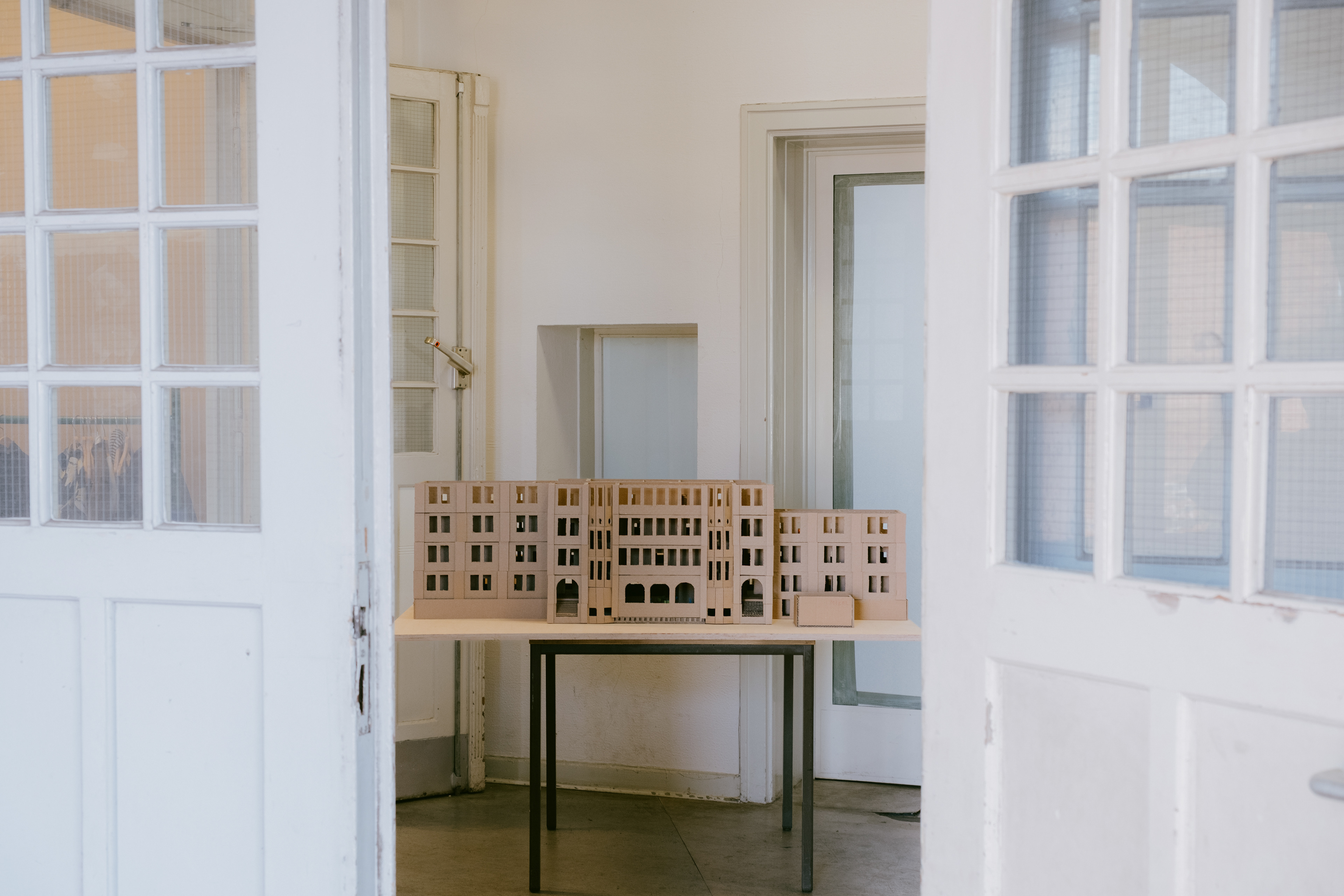
I feel deeply moved and grateful to have had the chance to get to know and photograph klinke, a project by Hallo: e.V. dedicated to the careful transformation of the former school at Bullenhuser Damm in Hamburg Rothenburgsort.
The building carries a difficult and layered history. In 1944 and 1945, the former school was used as a satellite camp of the Neuengamme concentration camp. On 20 April 1945, the SS murdered 20 Jewish children and at least 28 adults in the basement of the building. The children, aged between five and twelve, had previously been subjected to pseudomedical experiments at Neuengamme. Today, the Bullenhuser Damm Memorial, located at the building's basement, preserves their memory and the history of the crimes committed there.
After the war, the building became a school again. School operations ended in 1987, and large parts of the building have remained unused for decades. Today, alongside the memorial and a daycare centre, Klinke is working toward a new future for the house: a collectively supported and self-organised place for working, learning, research, culture and encounter.
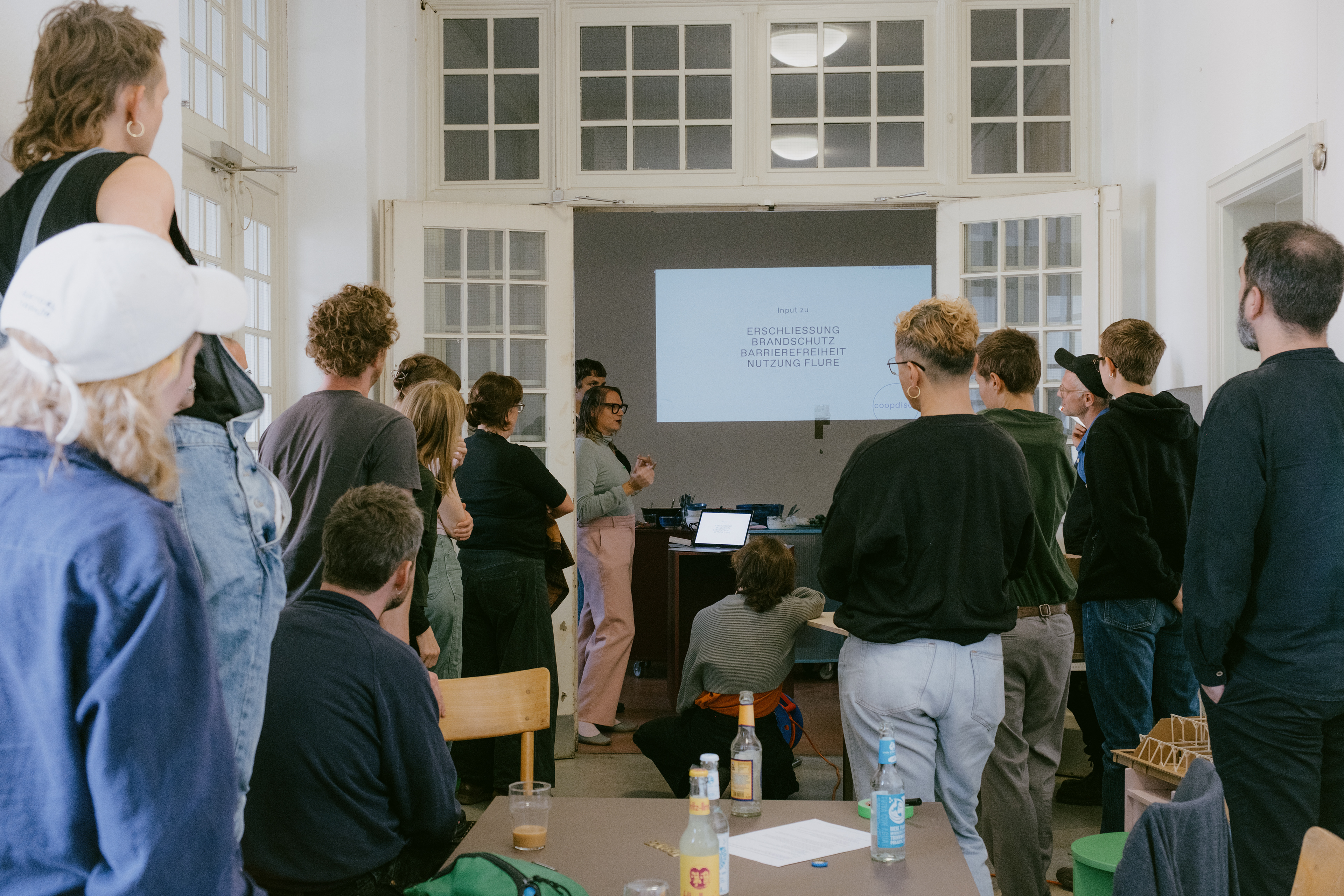
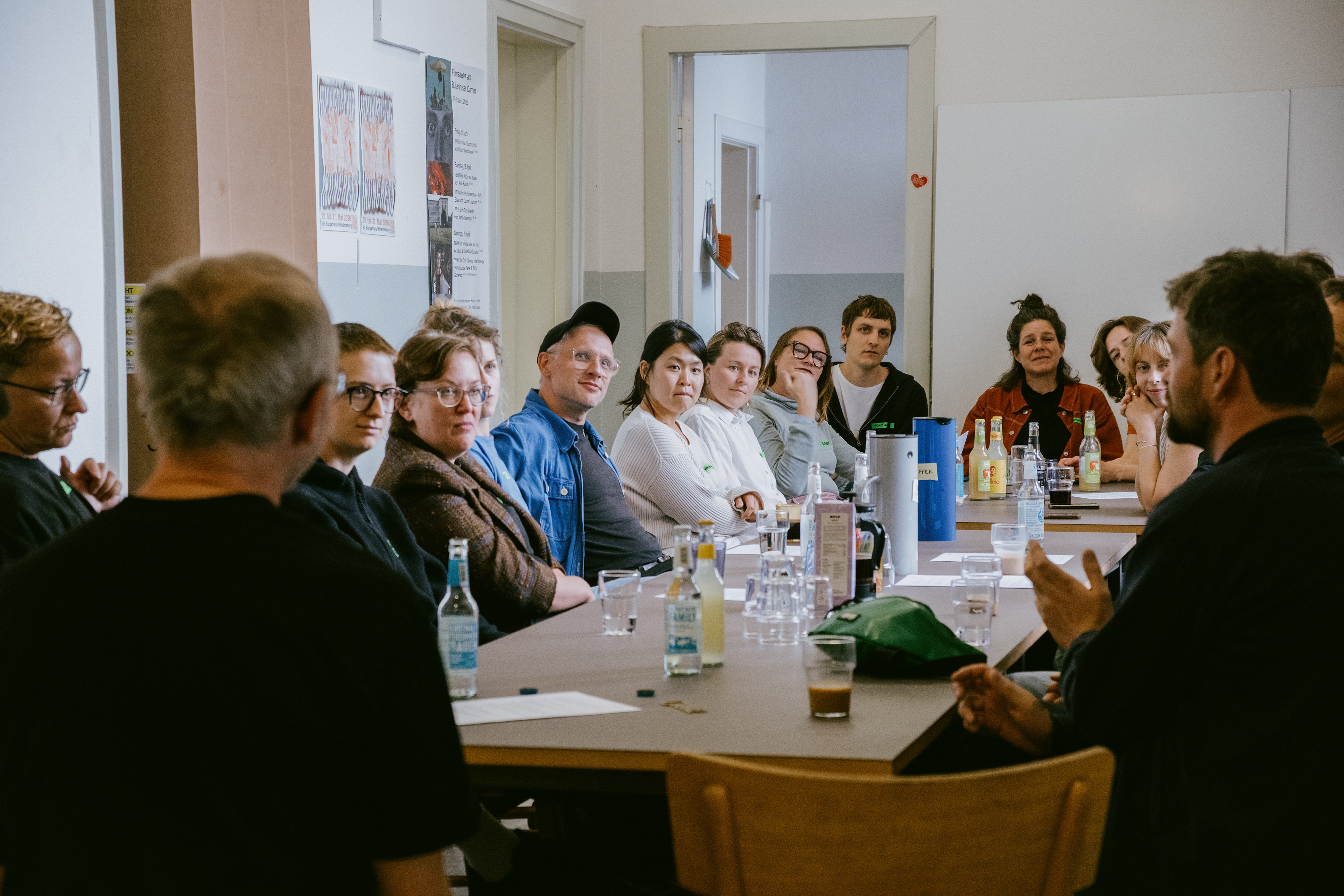
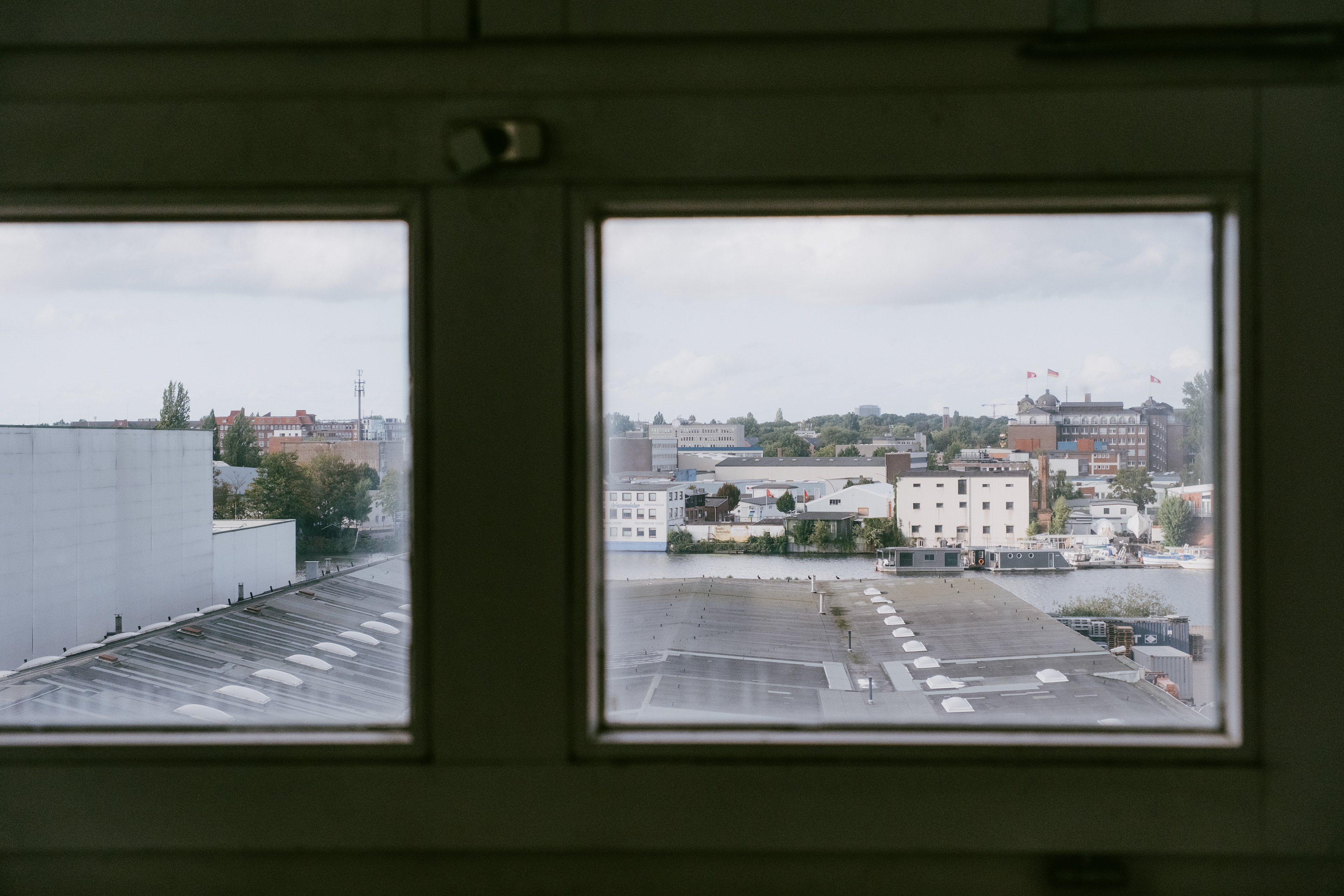
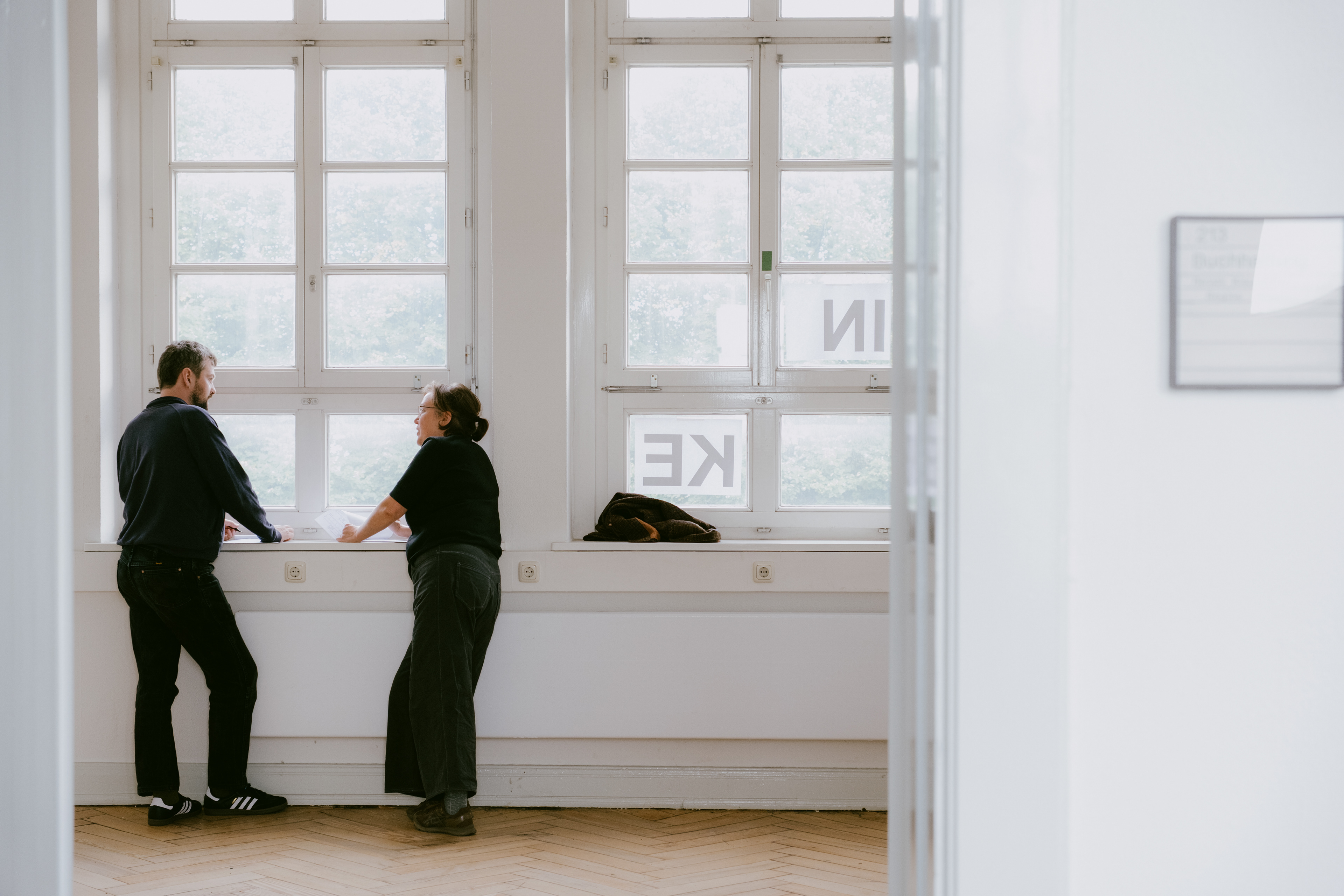
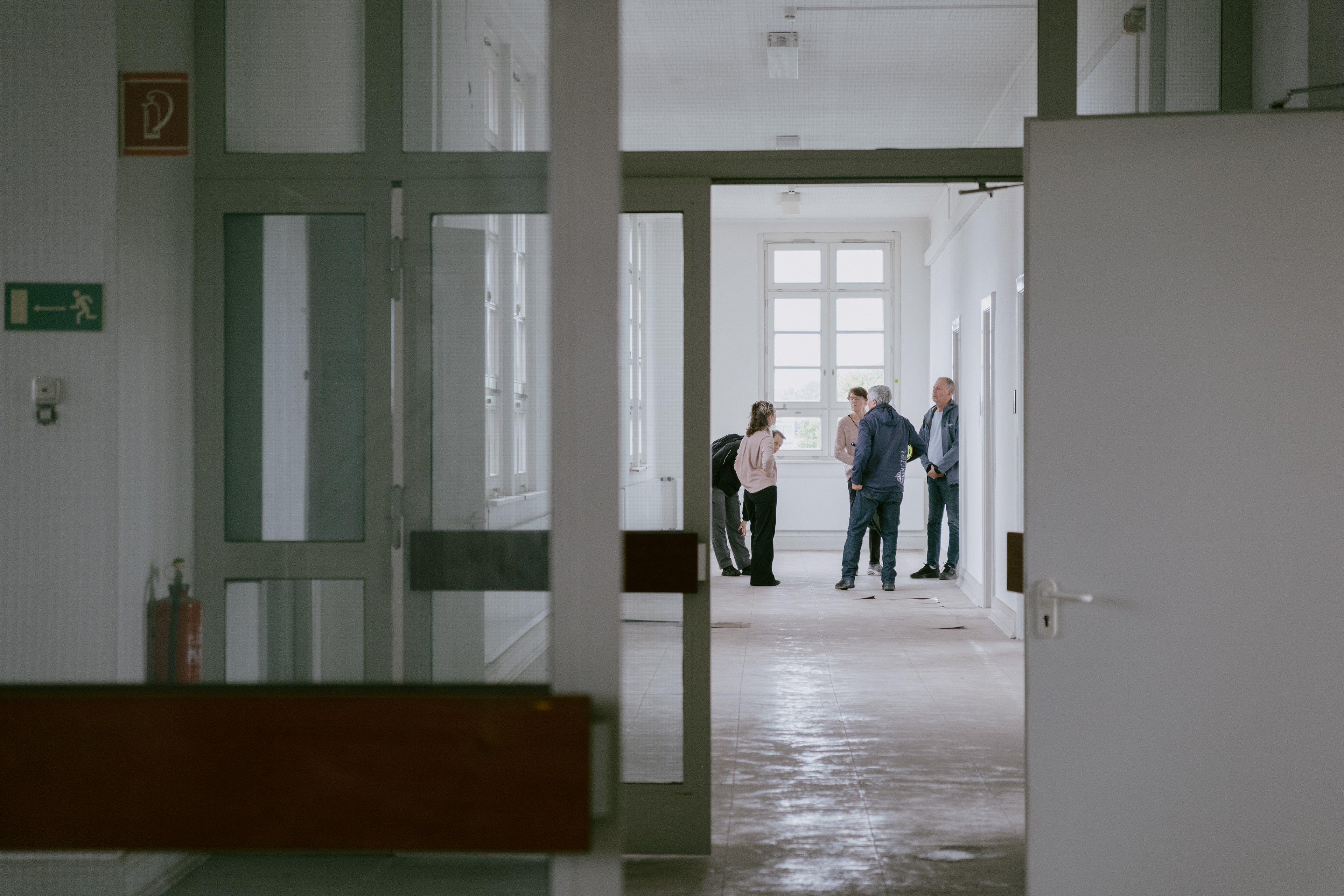
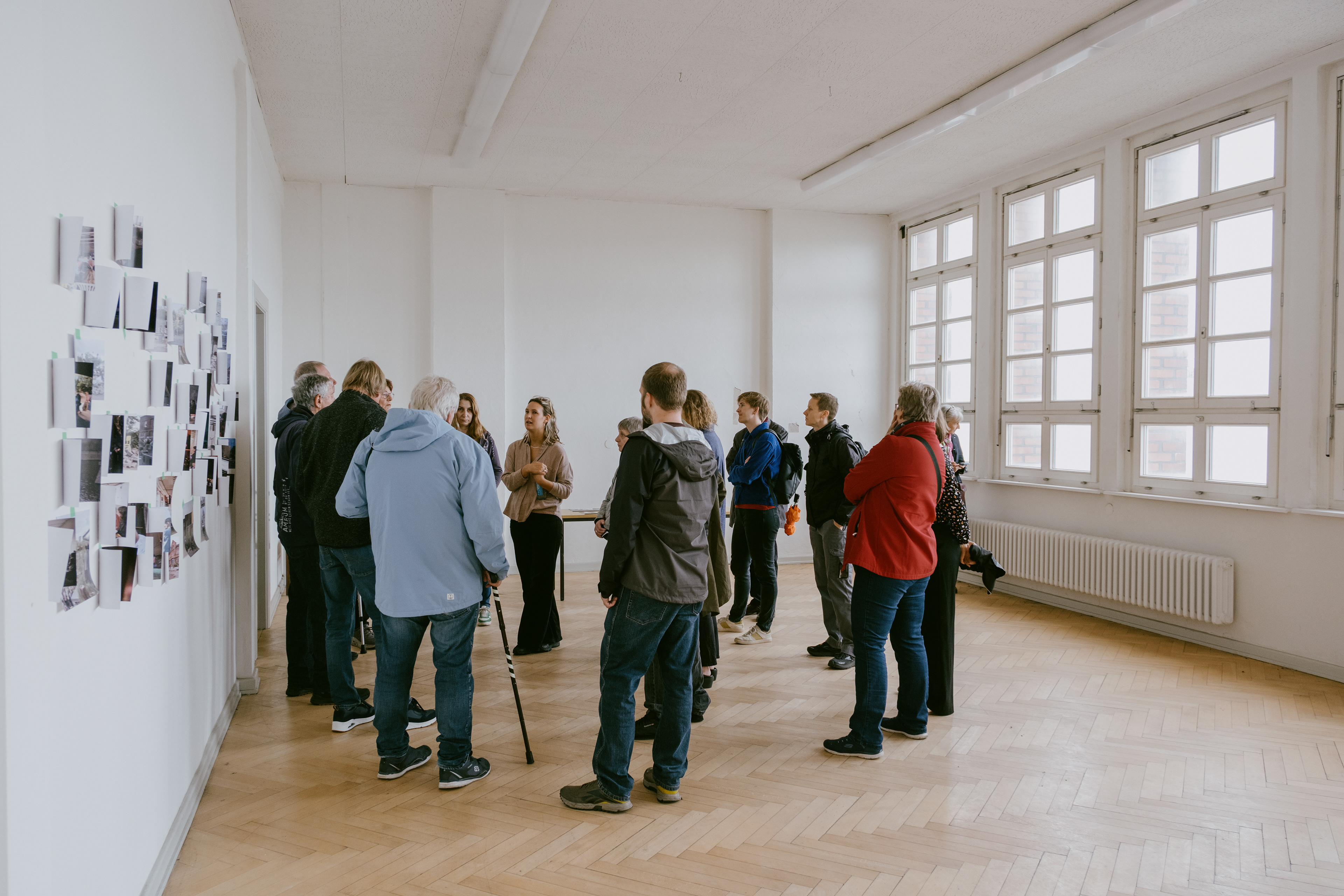
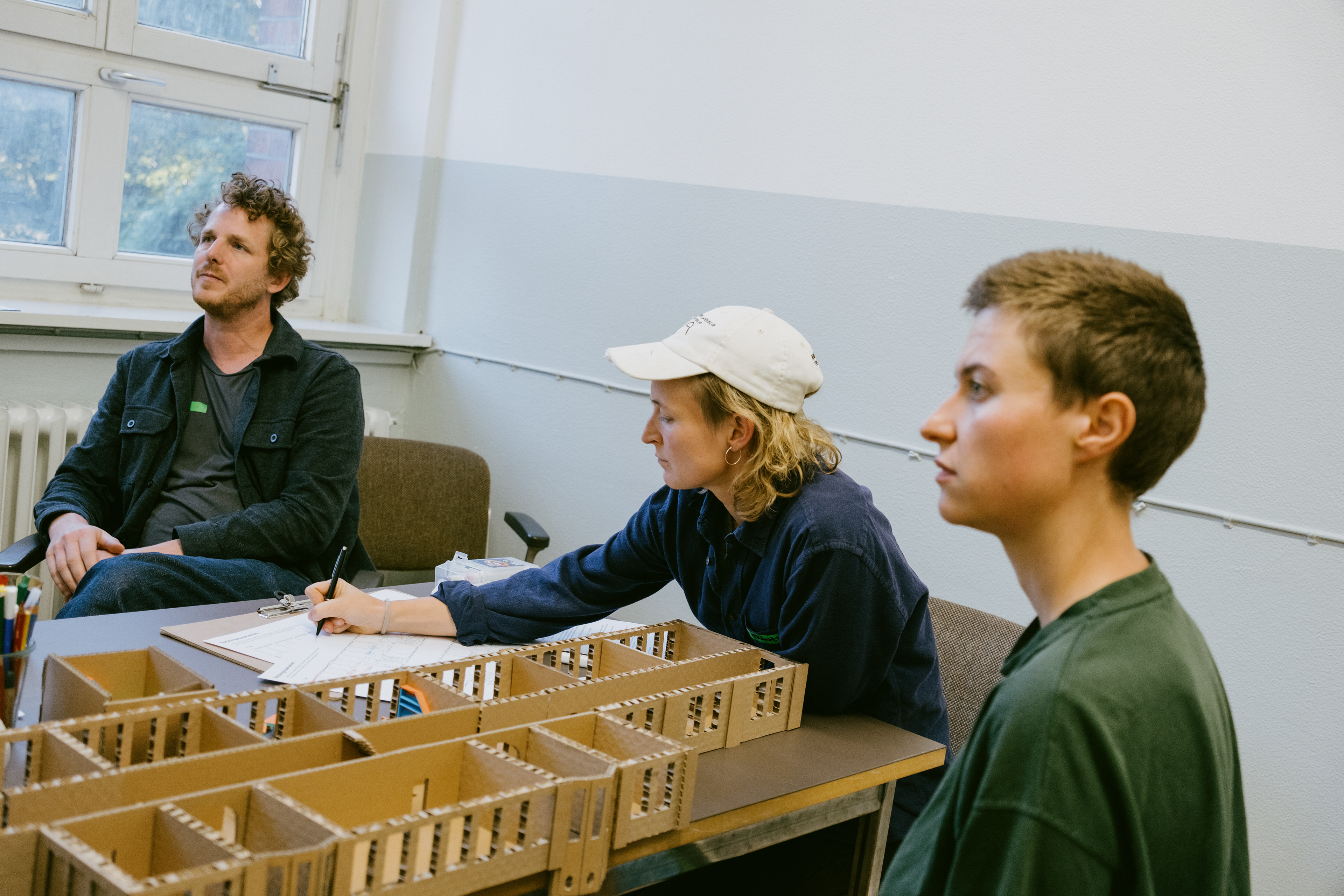
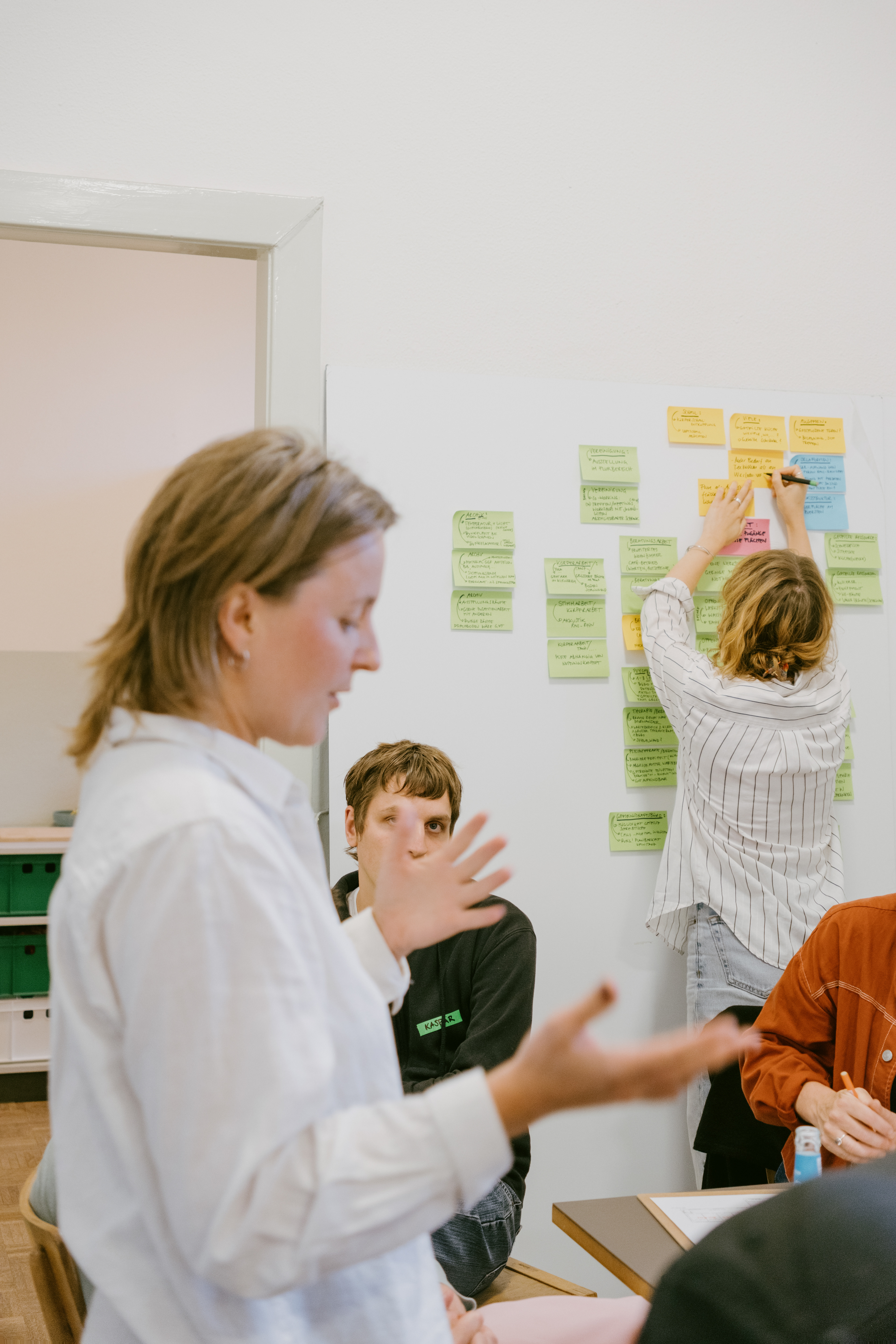
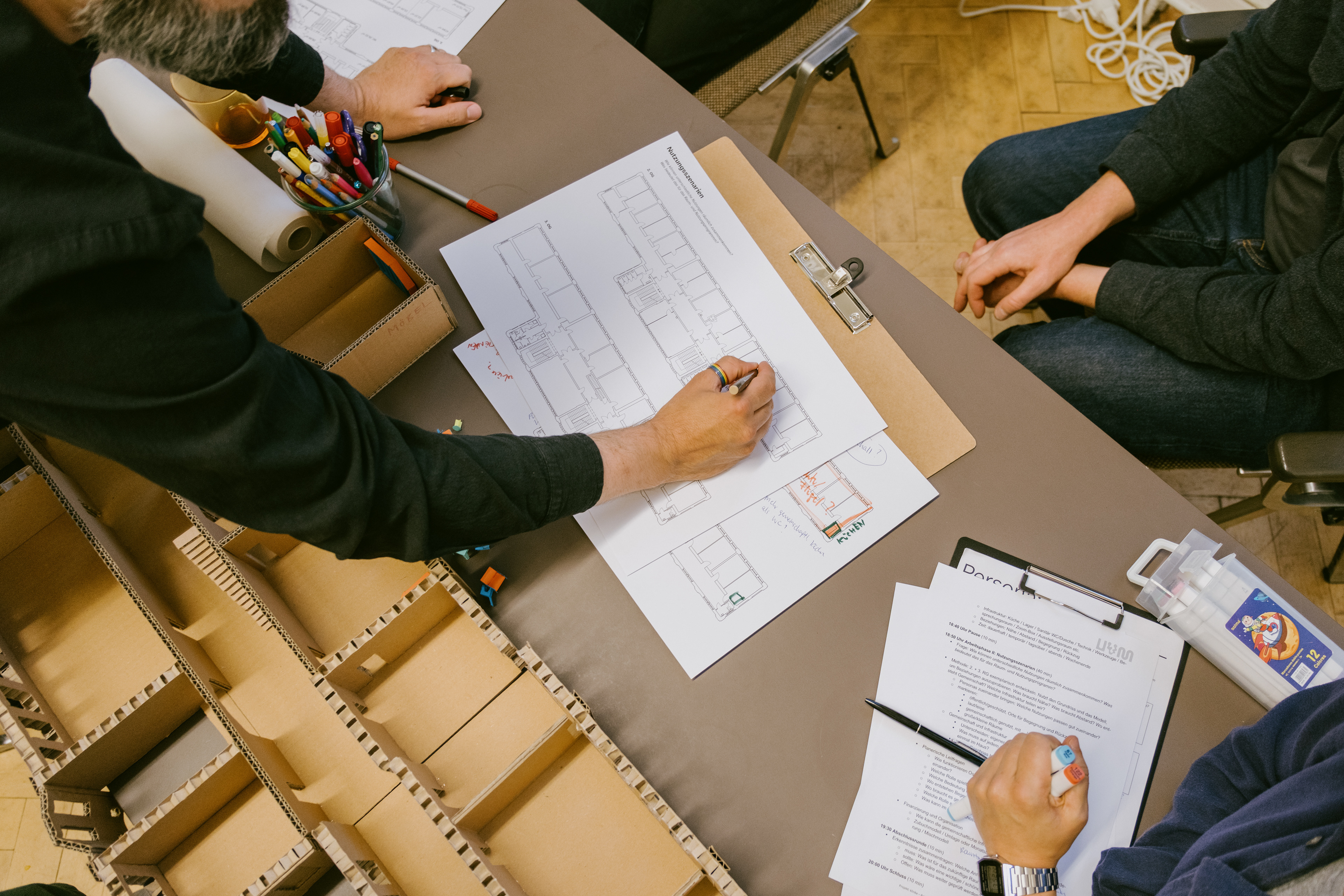
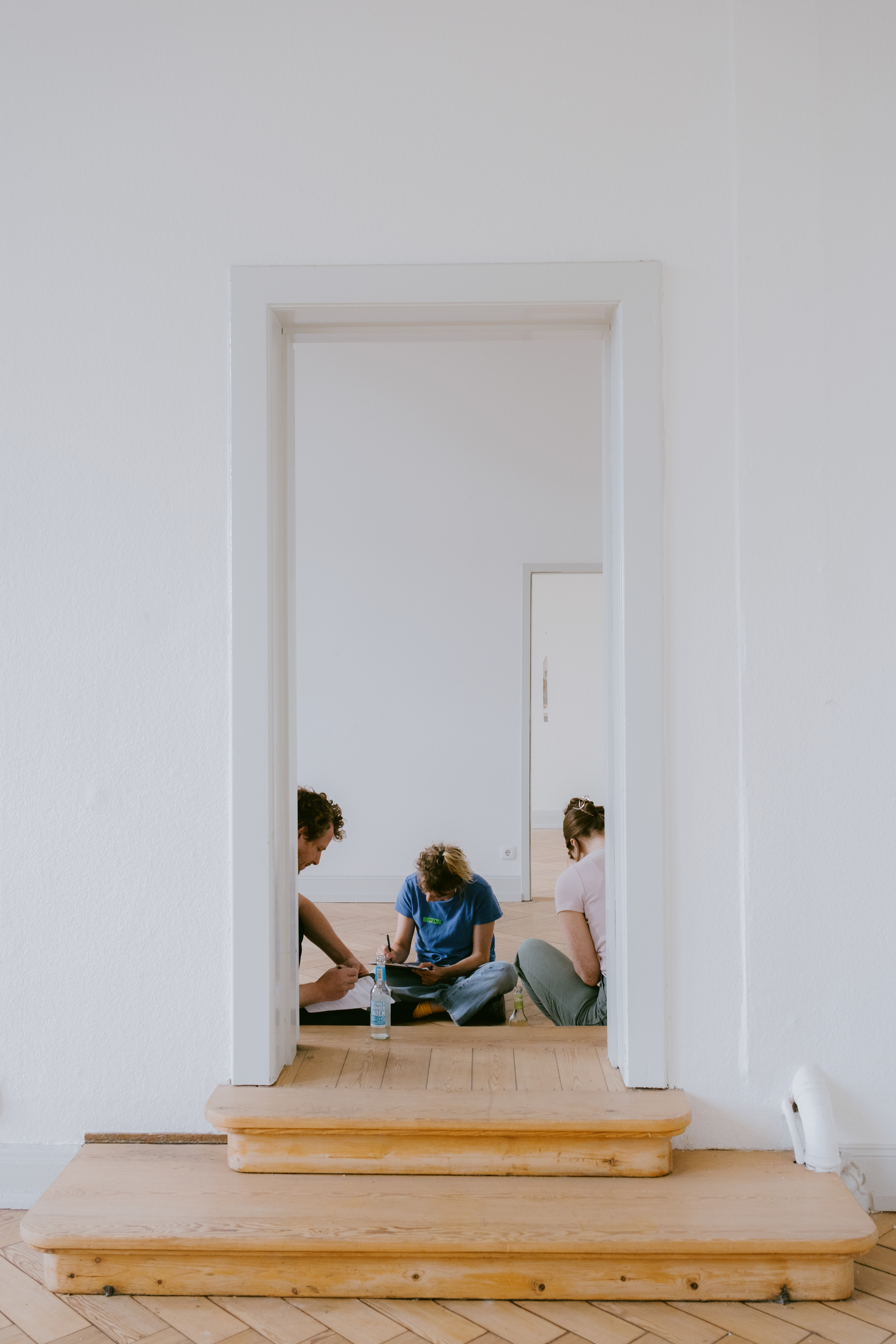
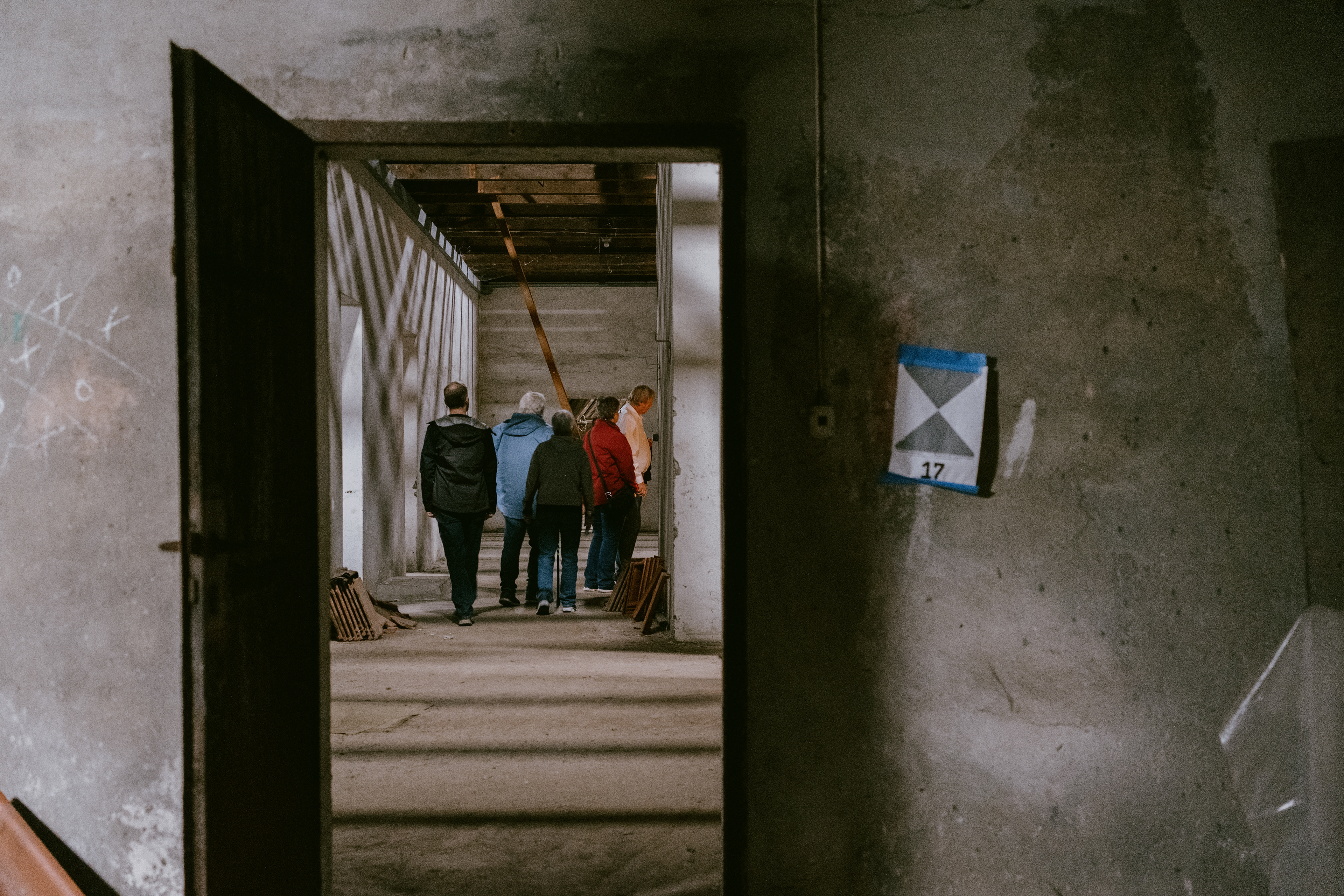
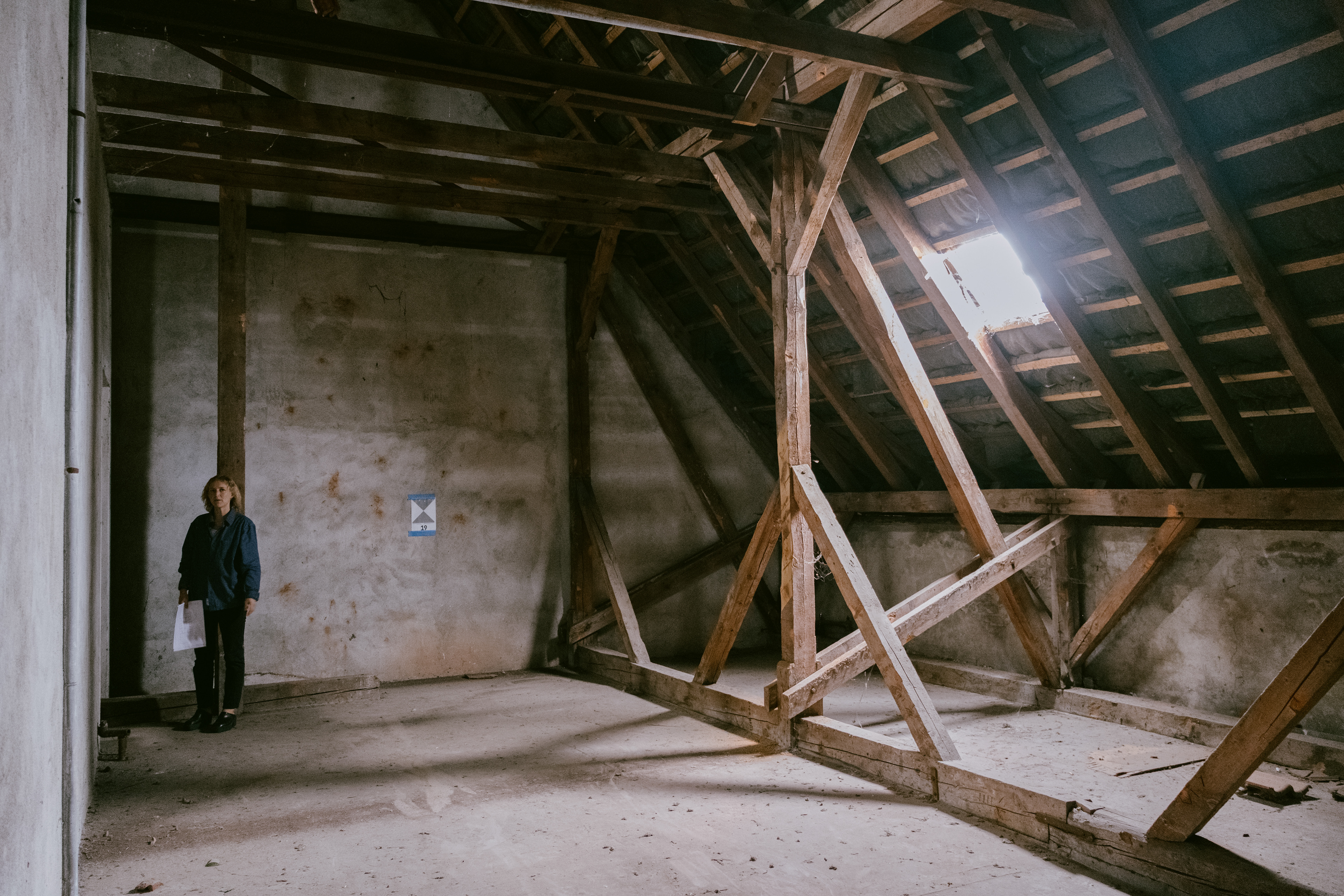
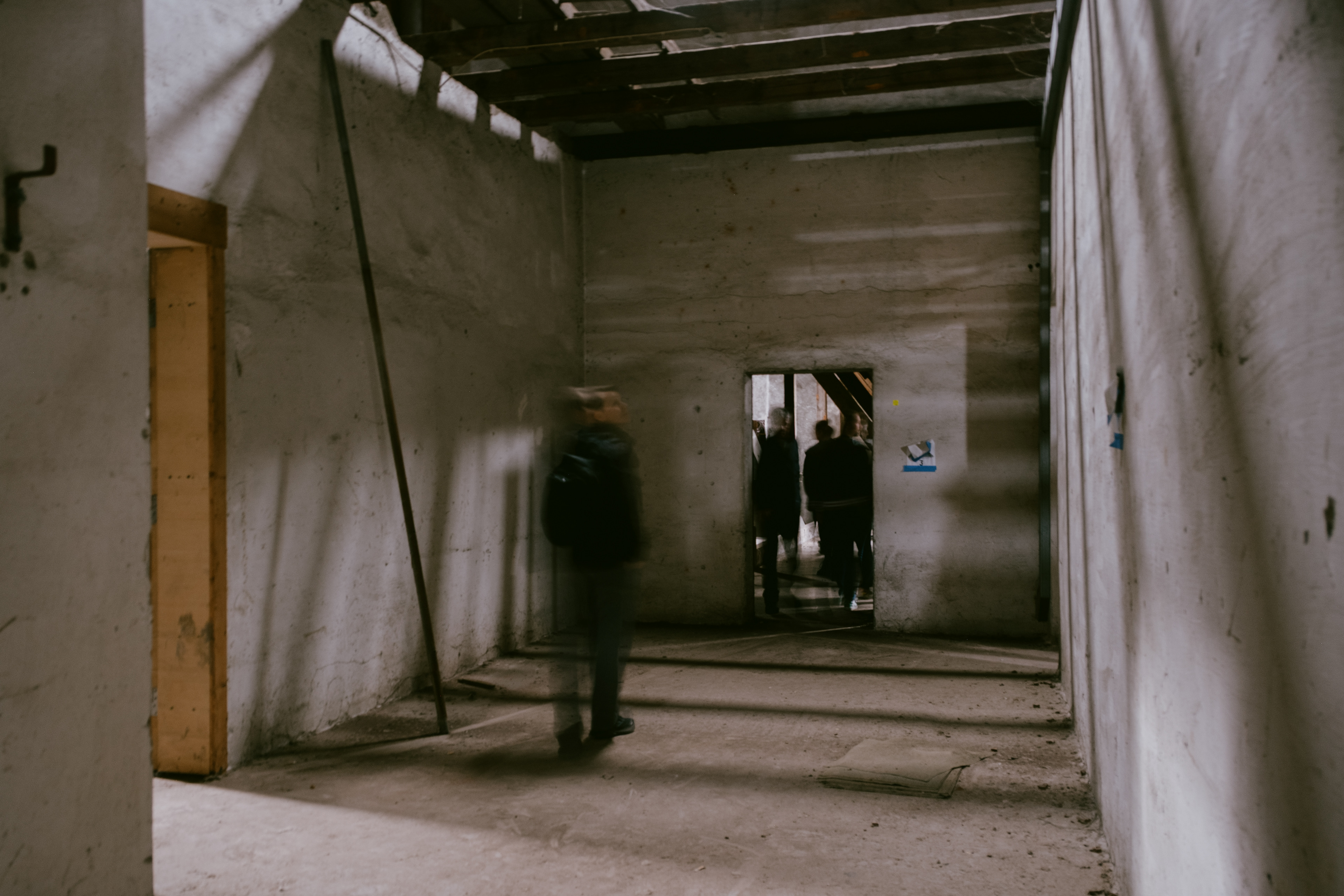
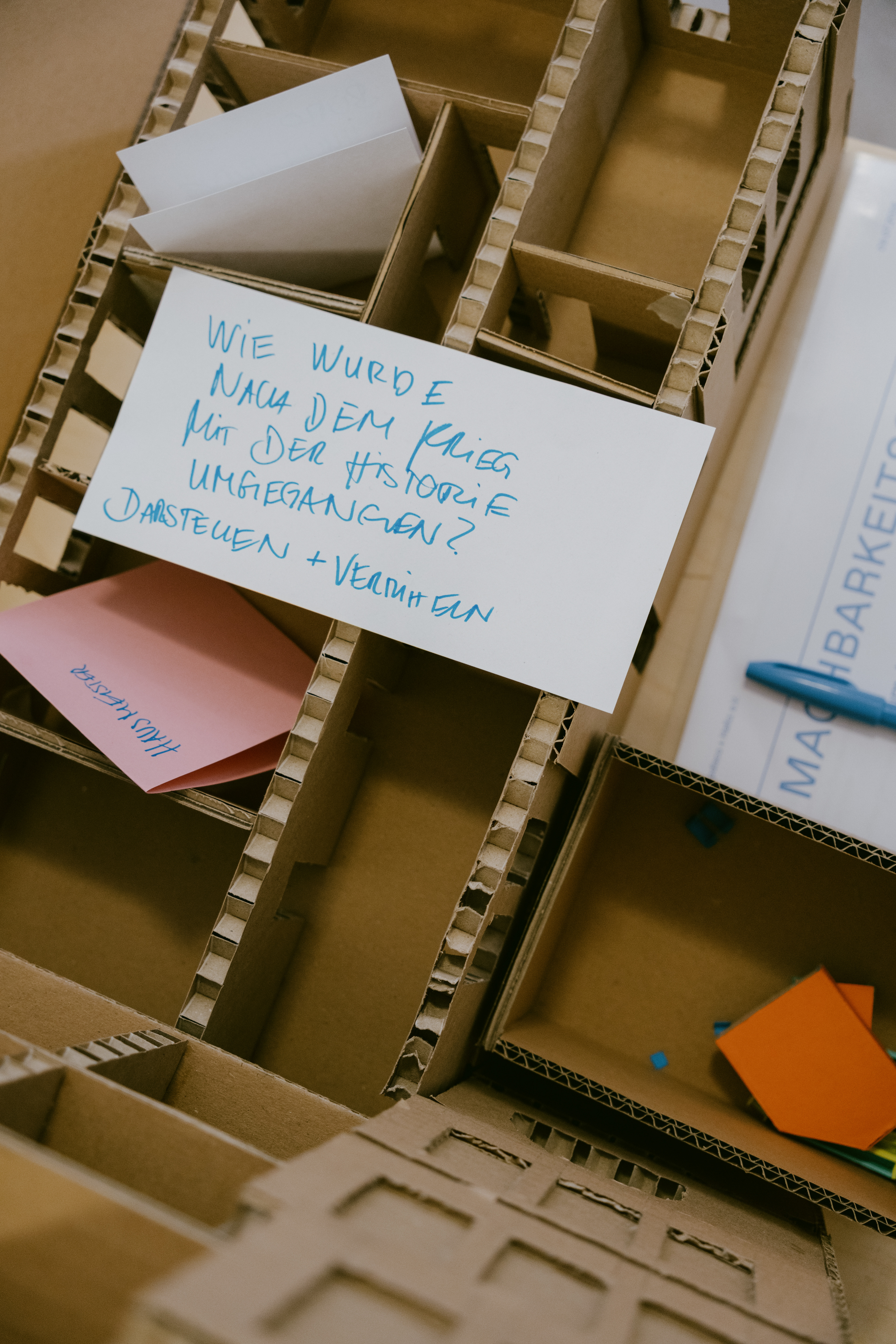
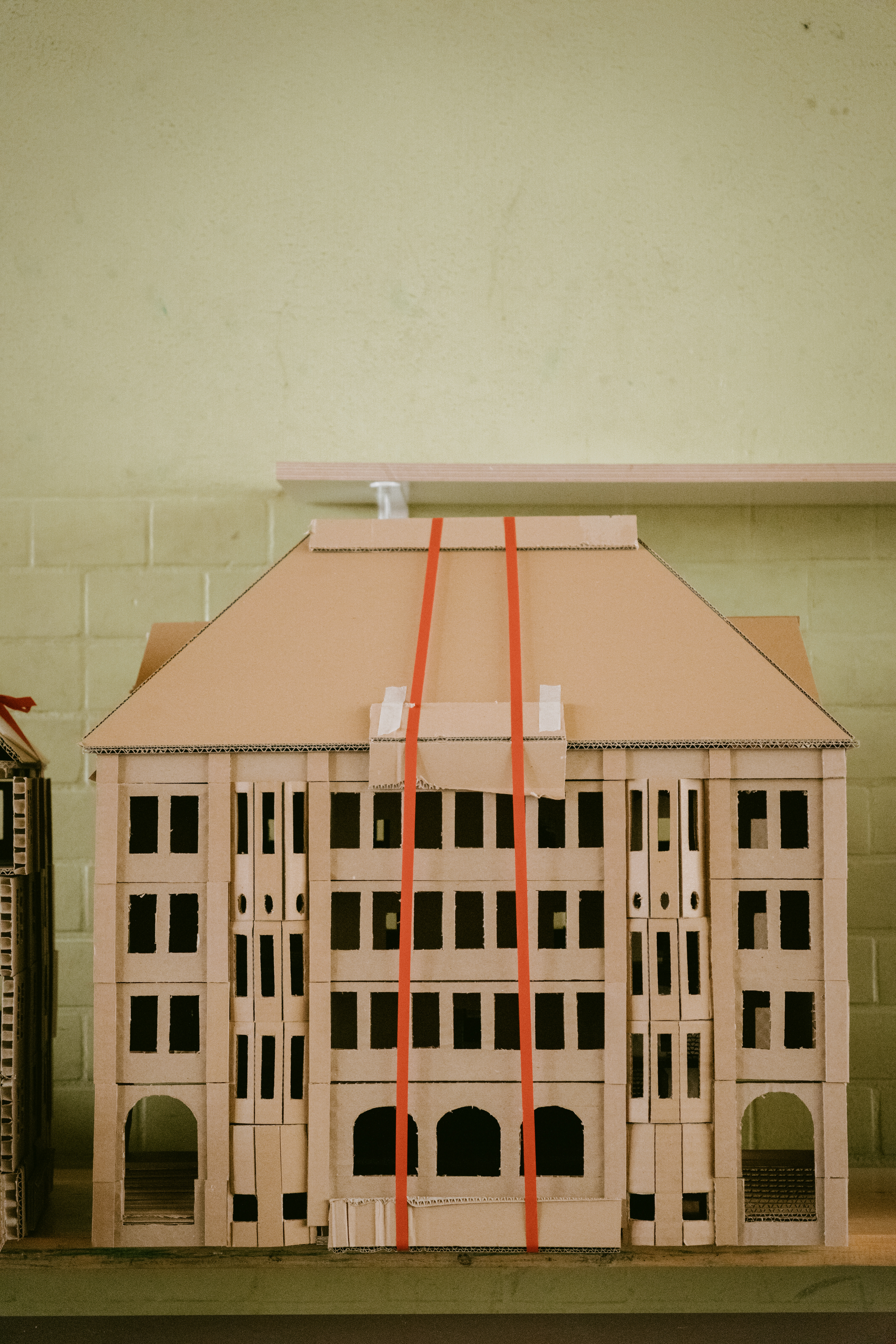
Central to the project is the question of how a place with such a history can be transformed without erasing its traces. Together with the Vereinigung Kinder vom Bullenhuser Damm e.V., the Foundation of Hamburg Memorials and Learning Centres, the local daycare, the building's owner and many people from the neighbourhood, arts, culture, crafts and social work, Hallo: e.V. is developing the future of the building through a participatory process.
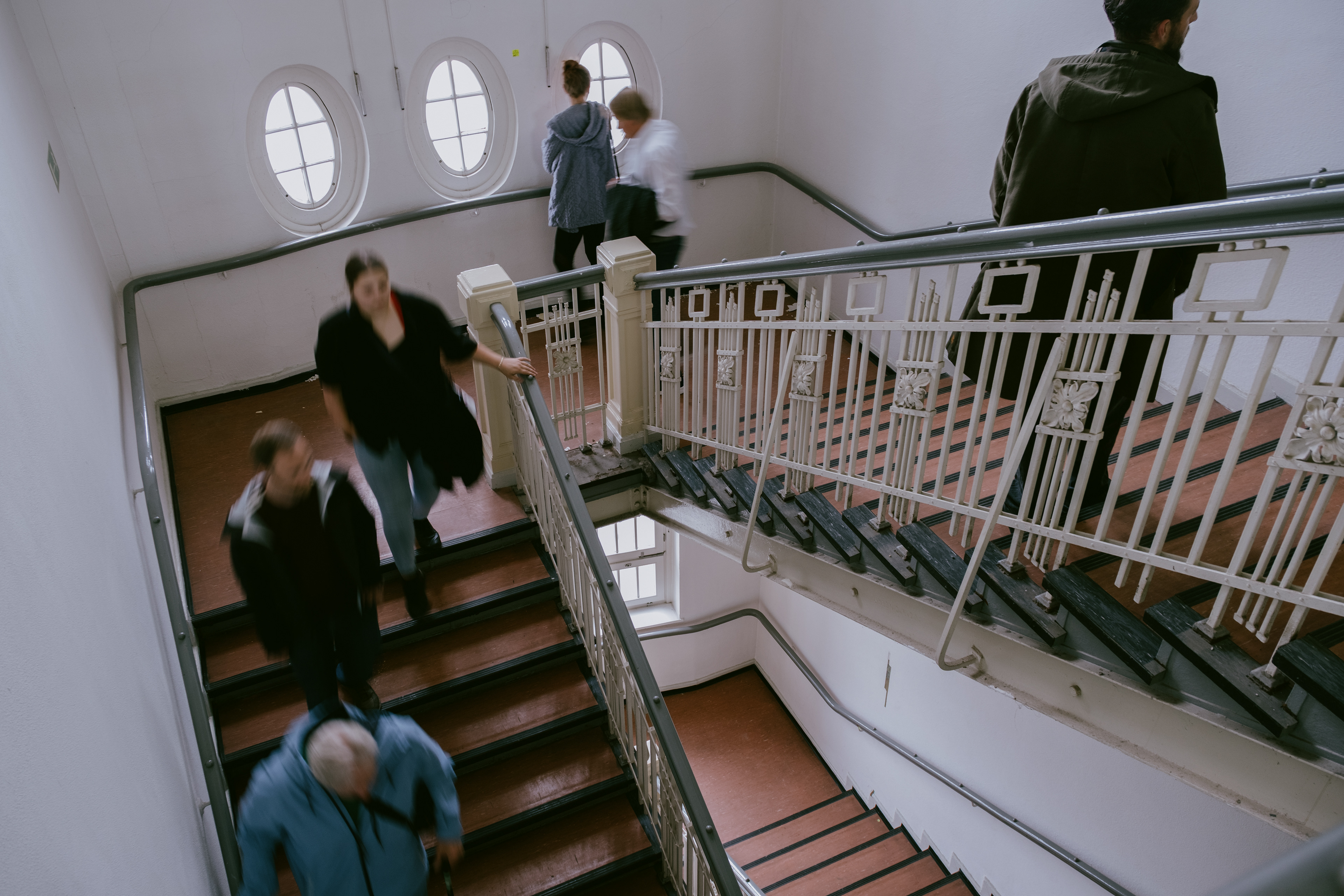
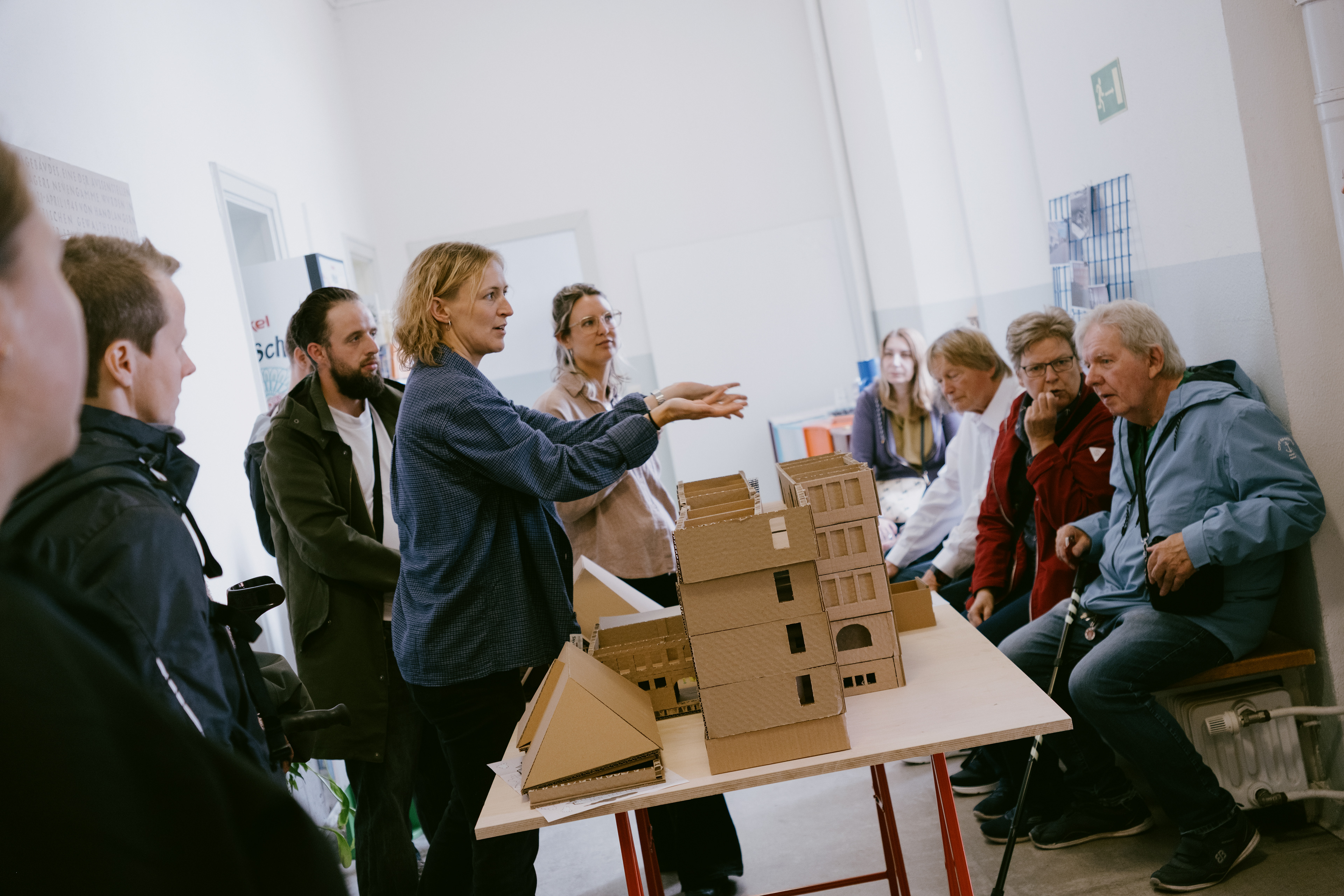
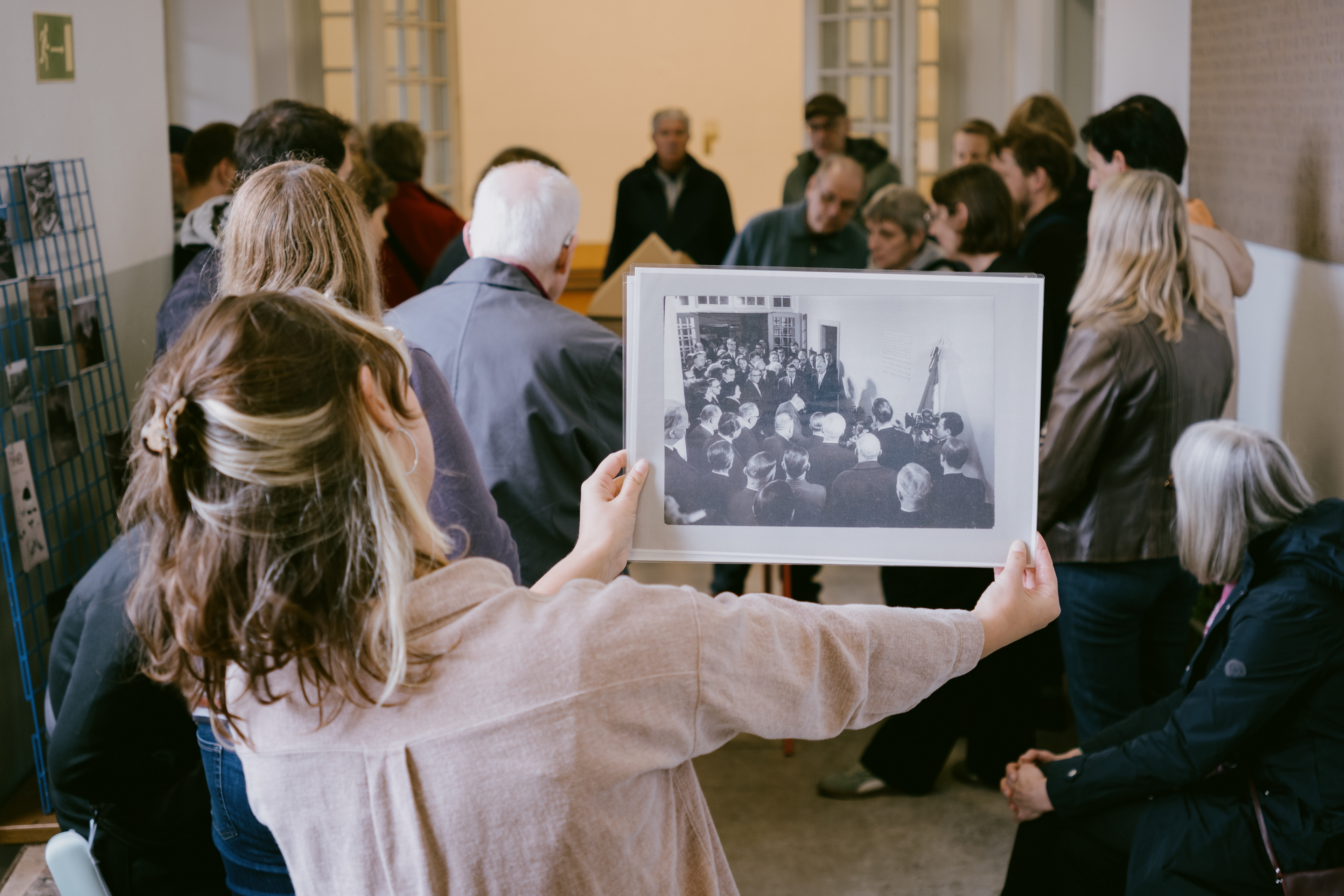
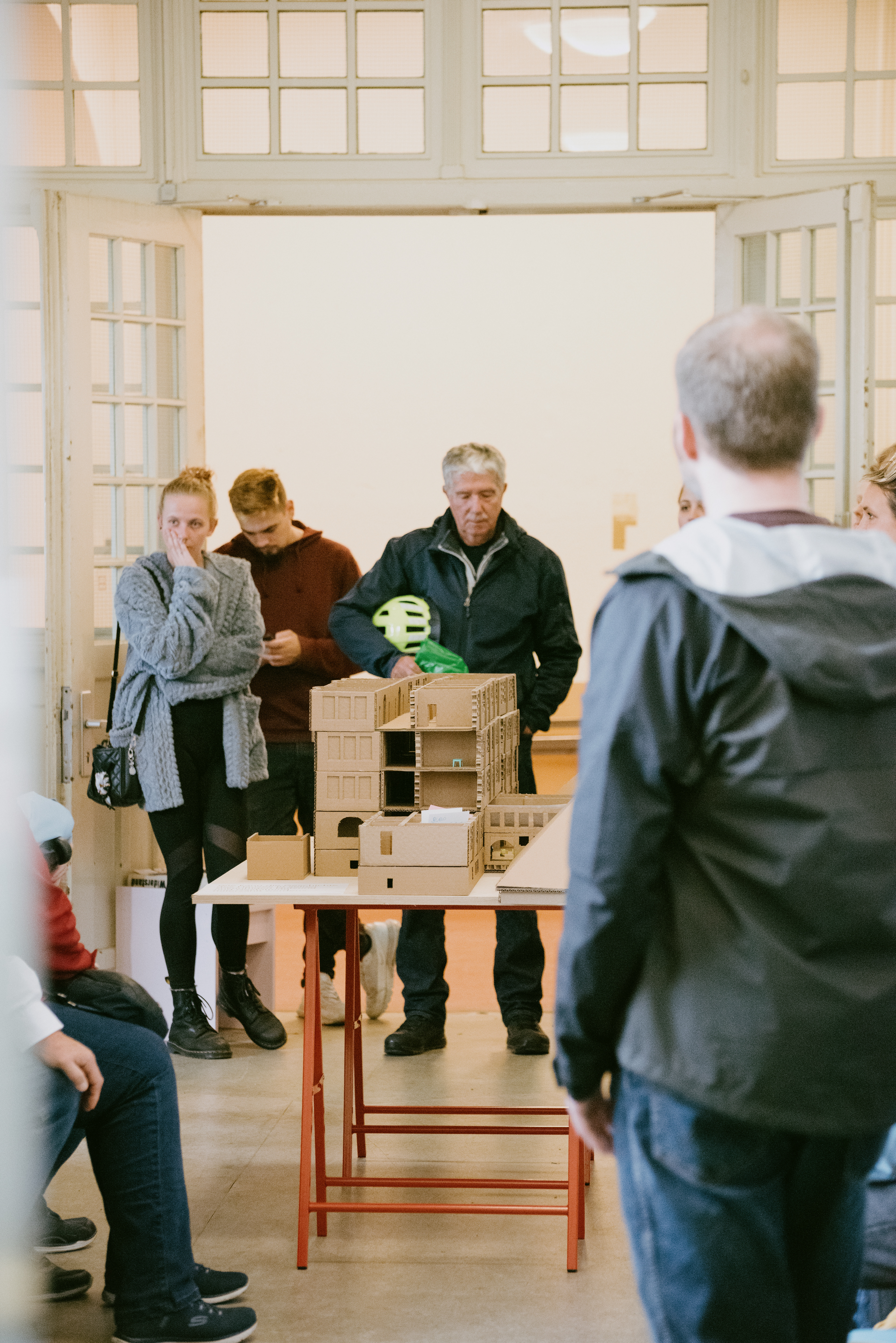
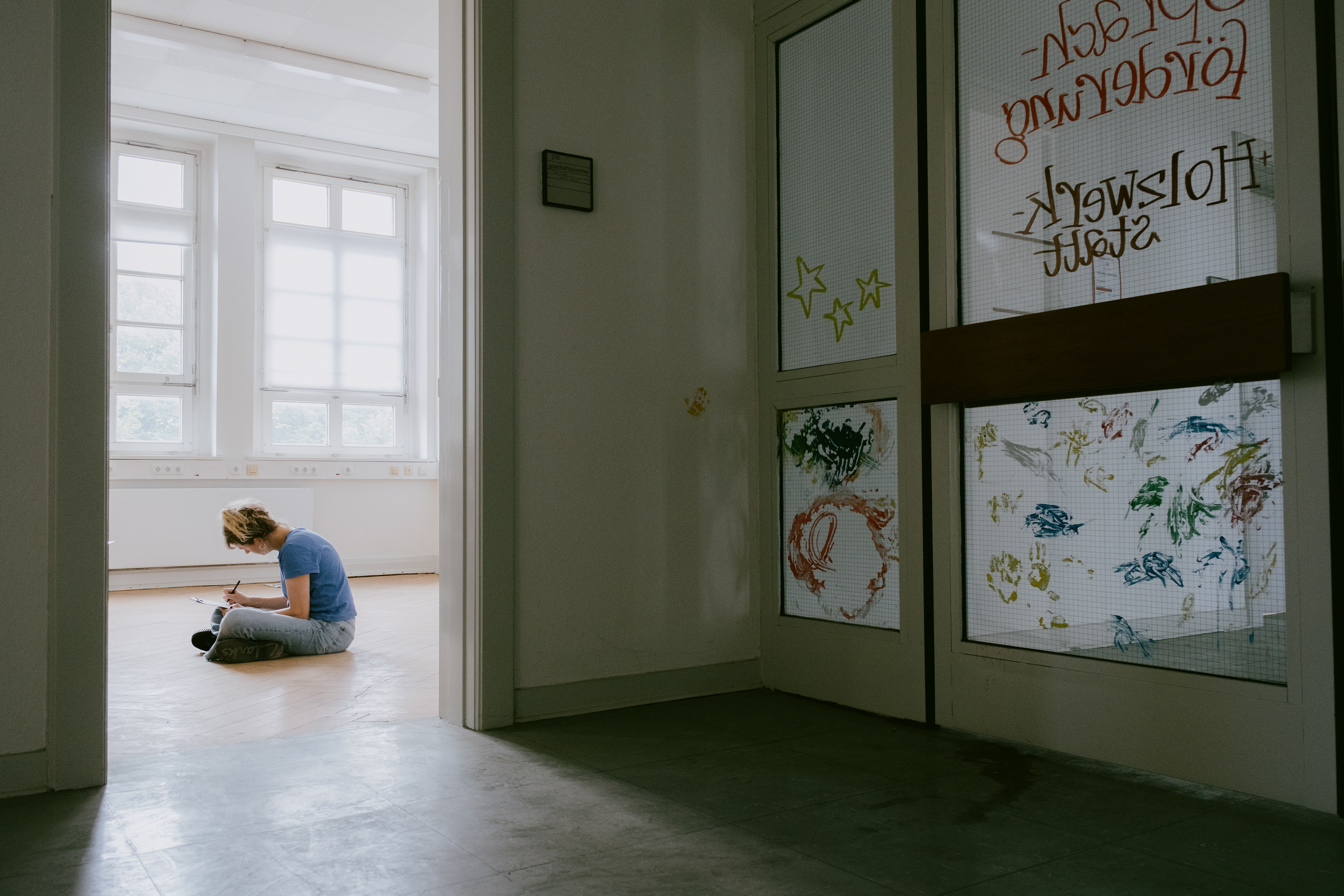
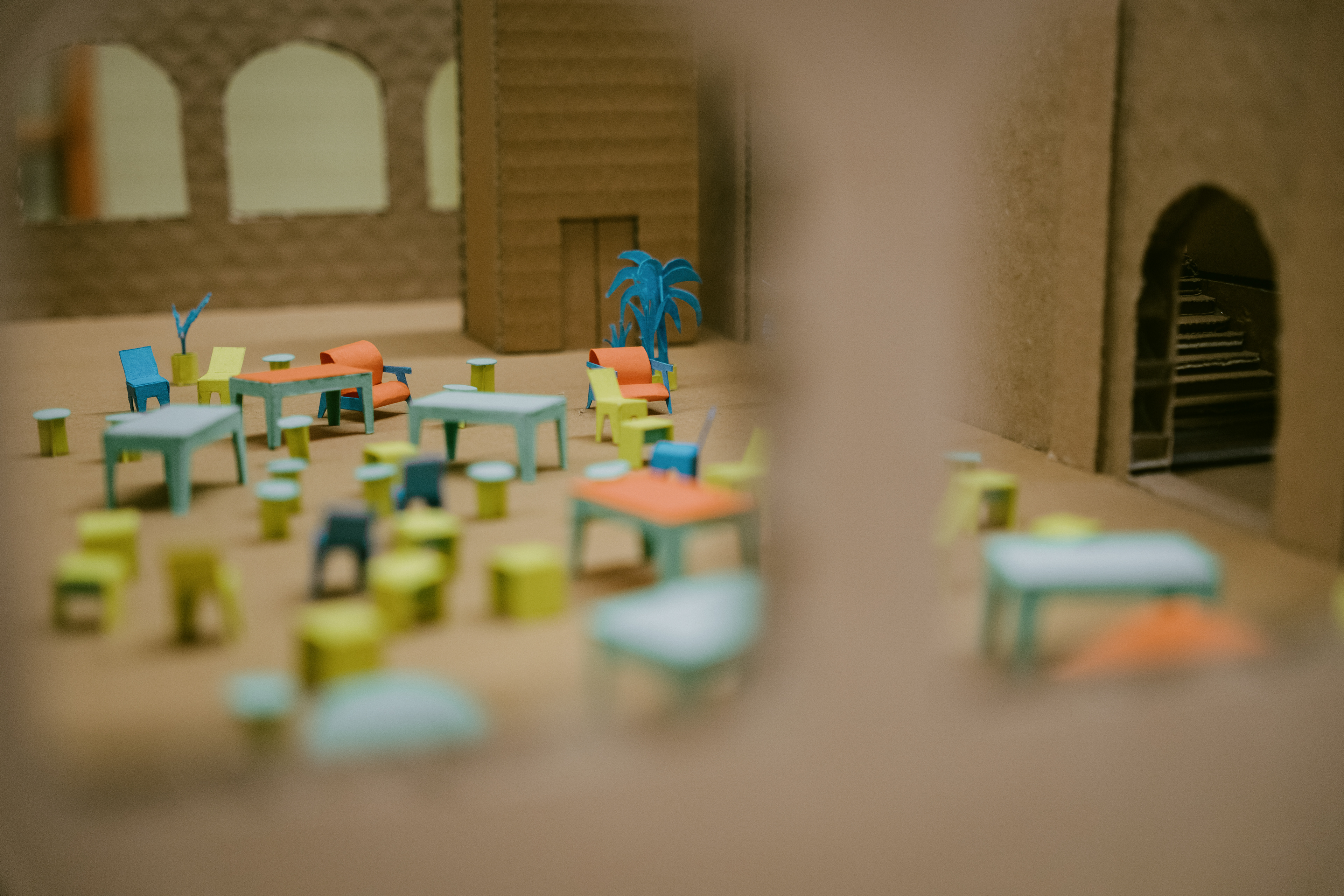
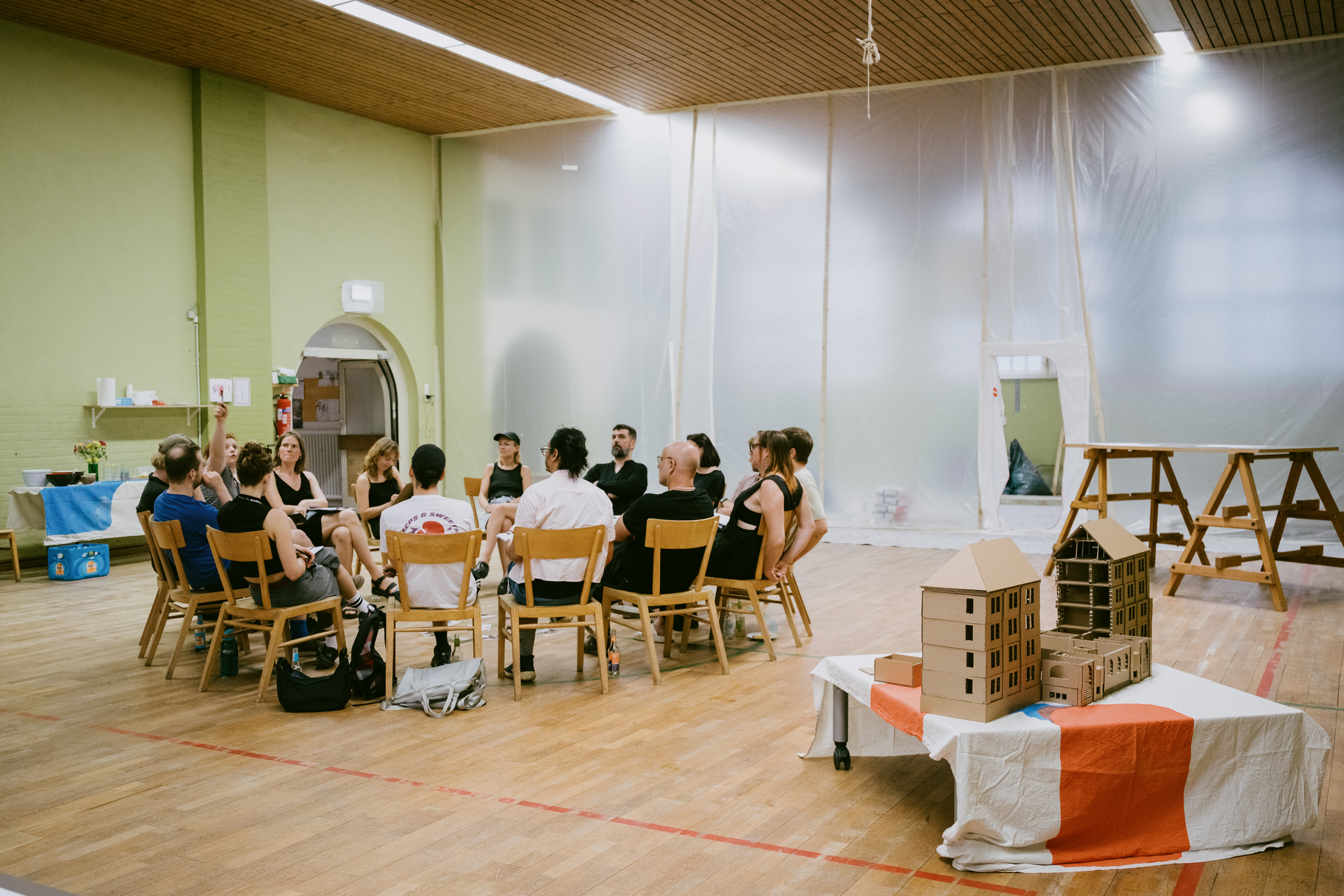
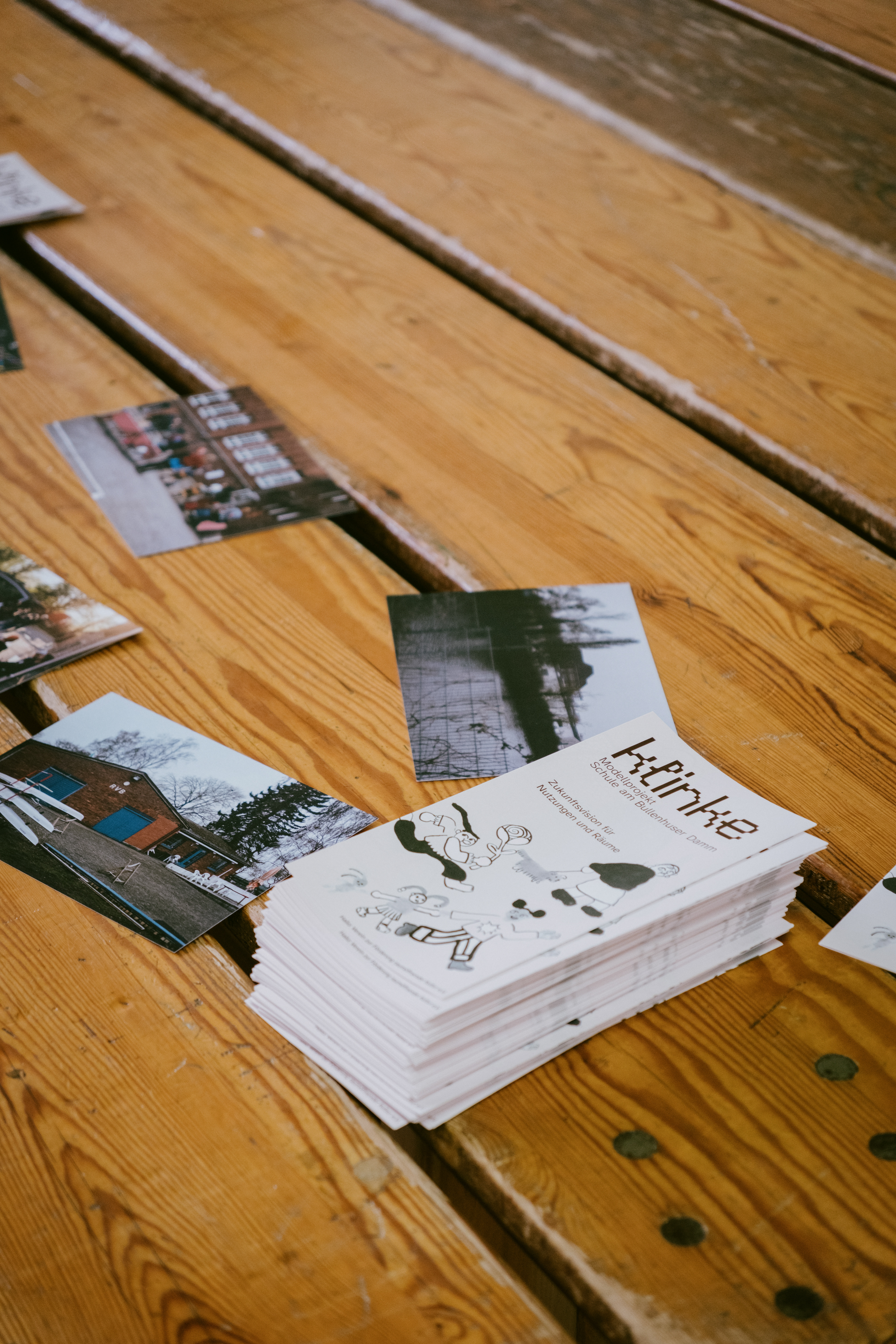
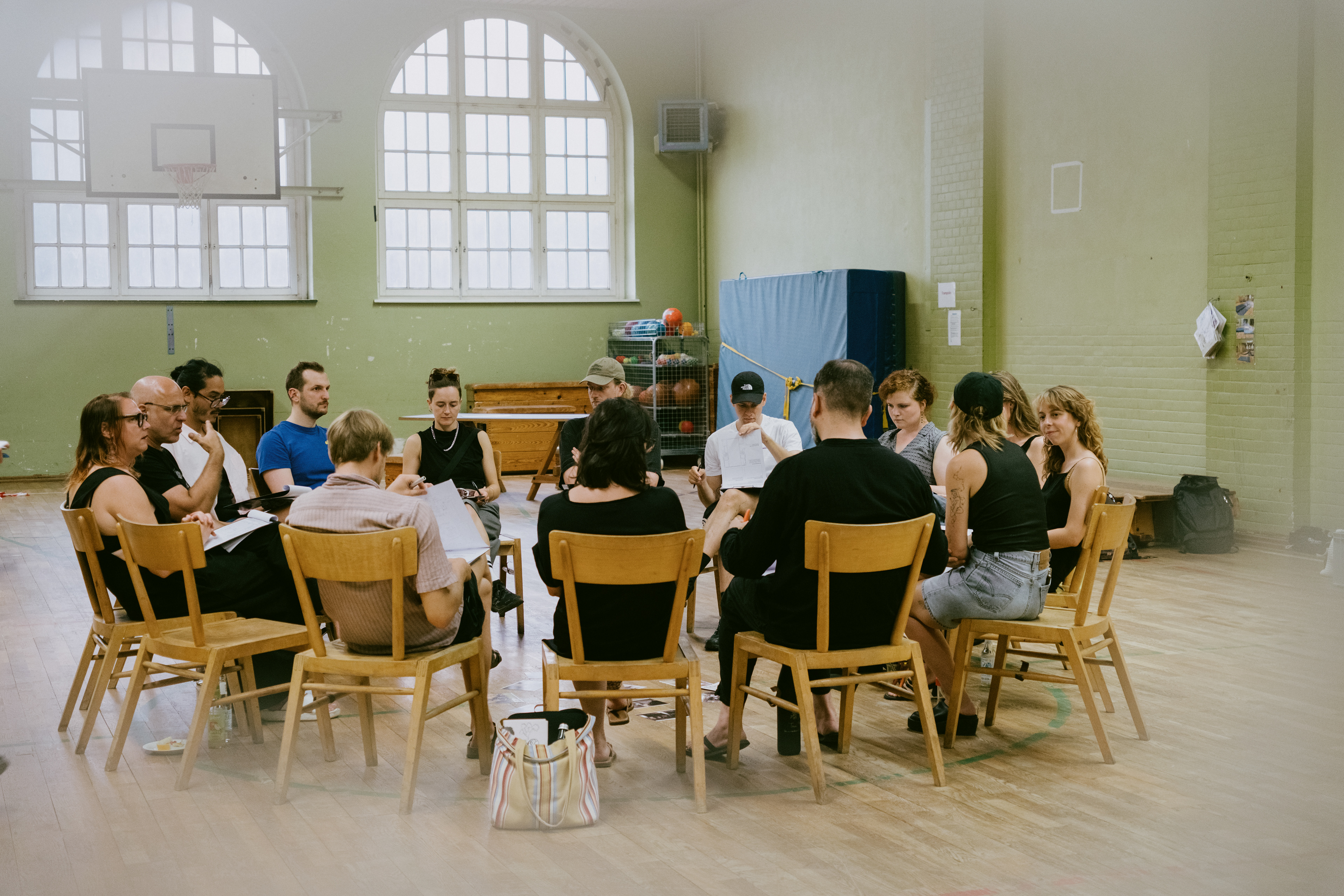
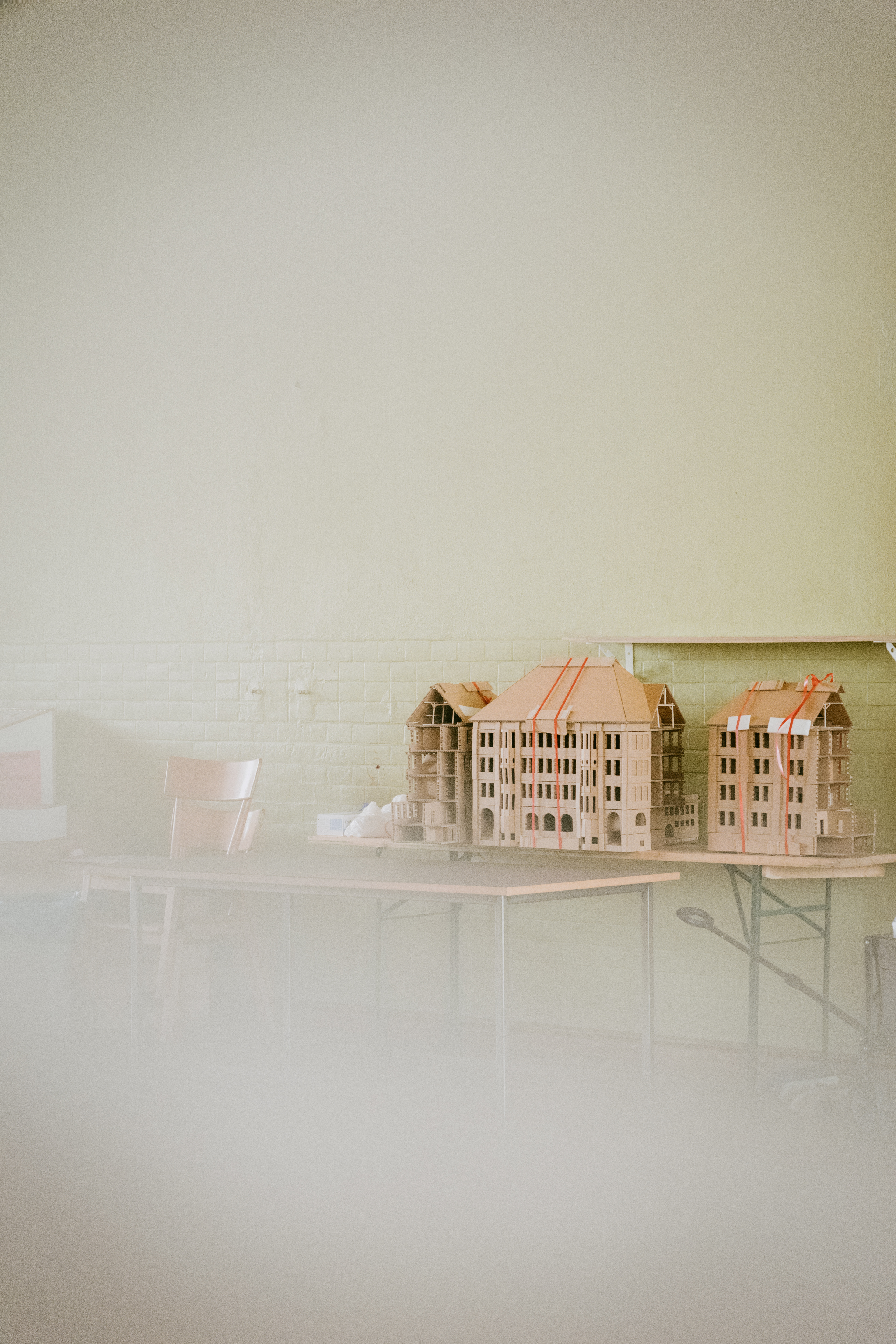
I had the opportunity to document some of this process. Workshops, conversations and walks through the building in which people from Hamburg were invited to think collectively about its possible futures. What kinds of spaces are needed? How can people work, learn and gather here? And how can new life enter the building while its history remains present and visible?
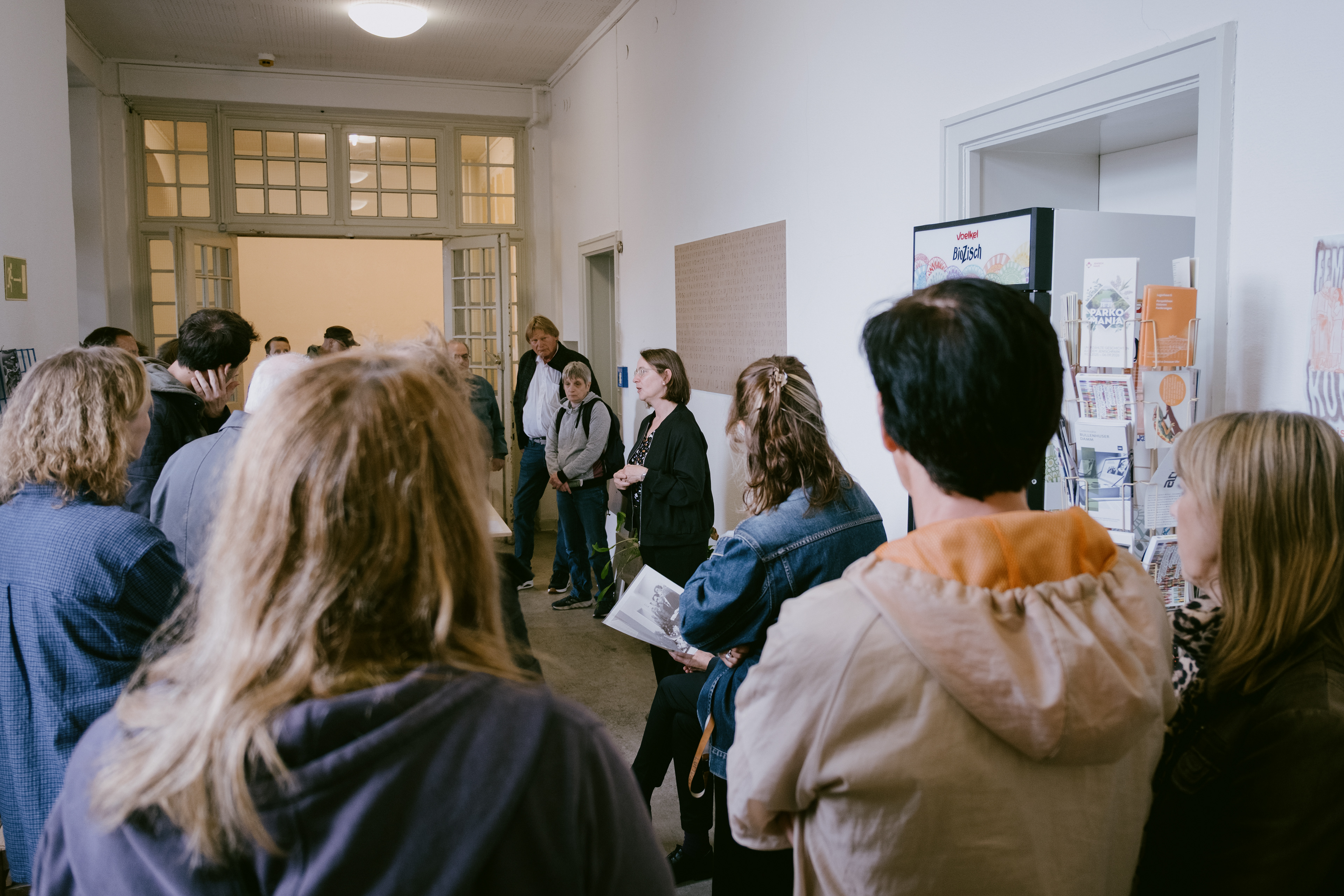
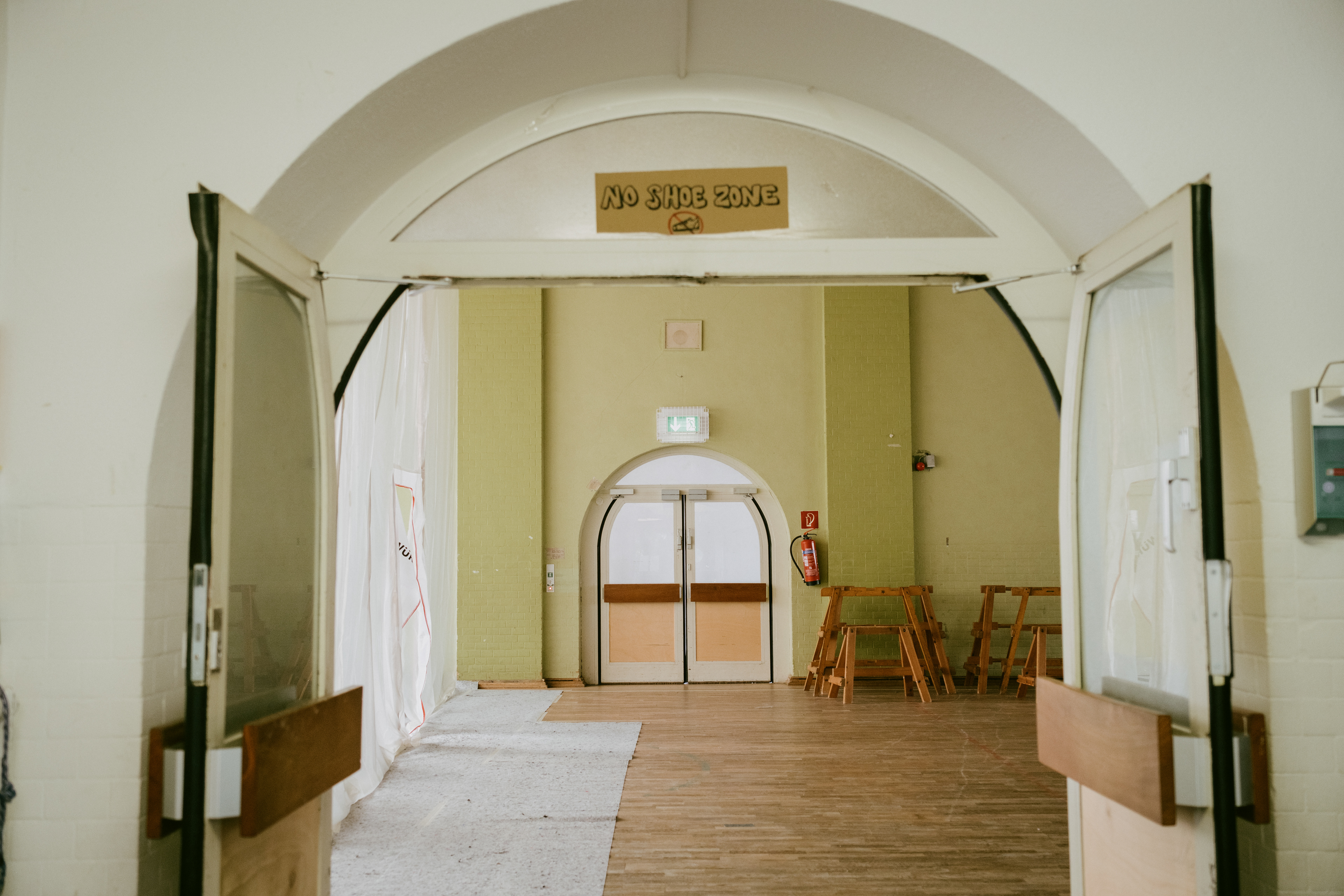
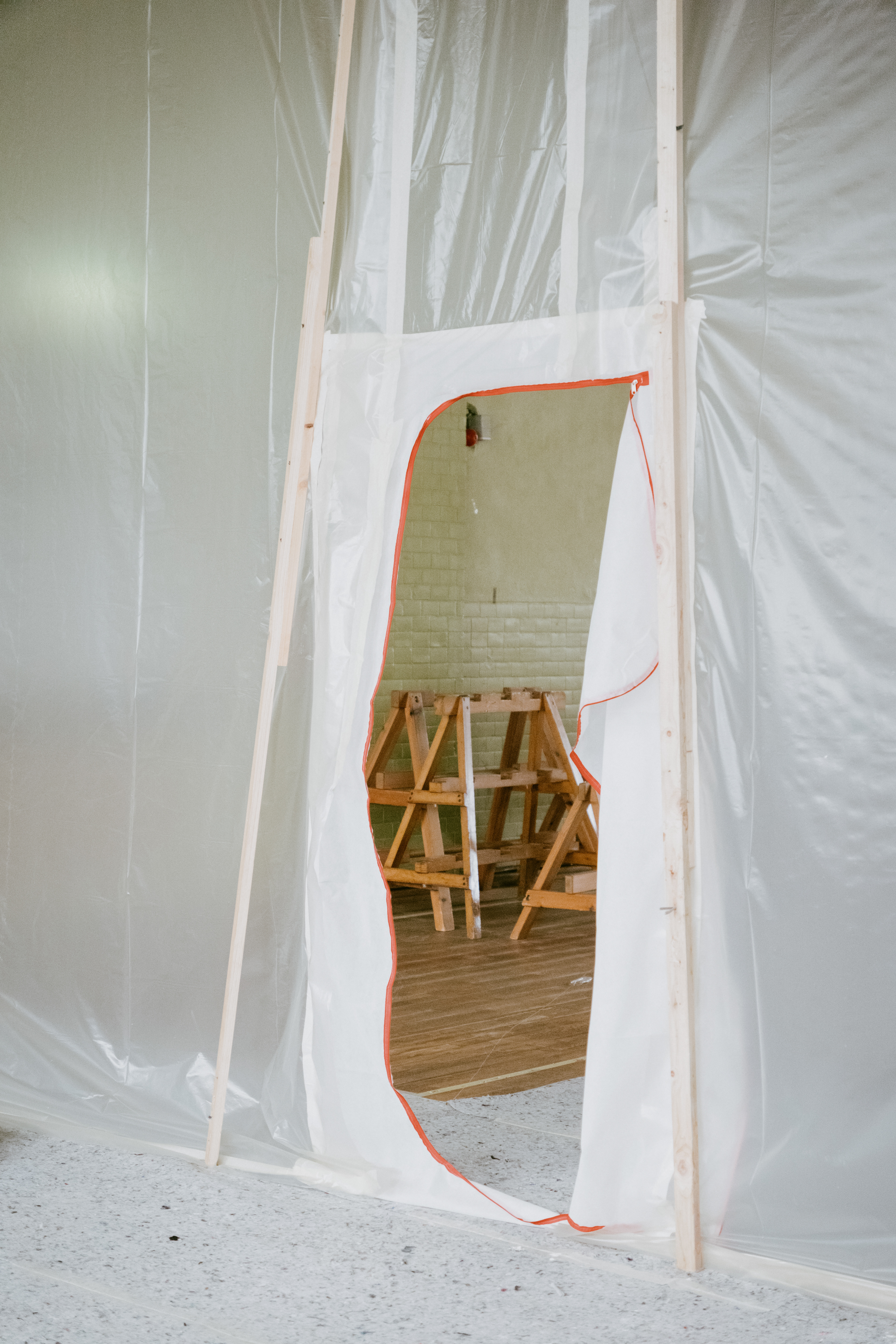
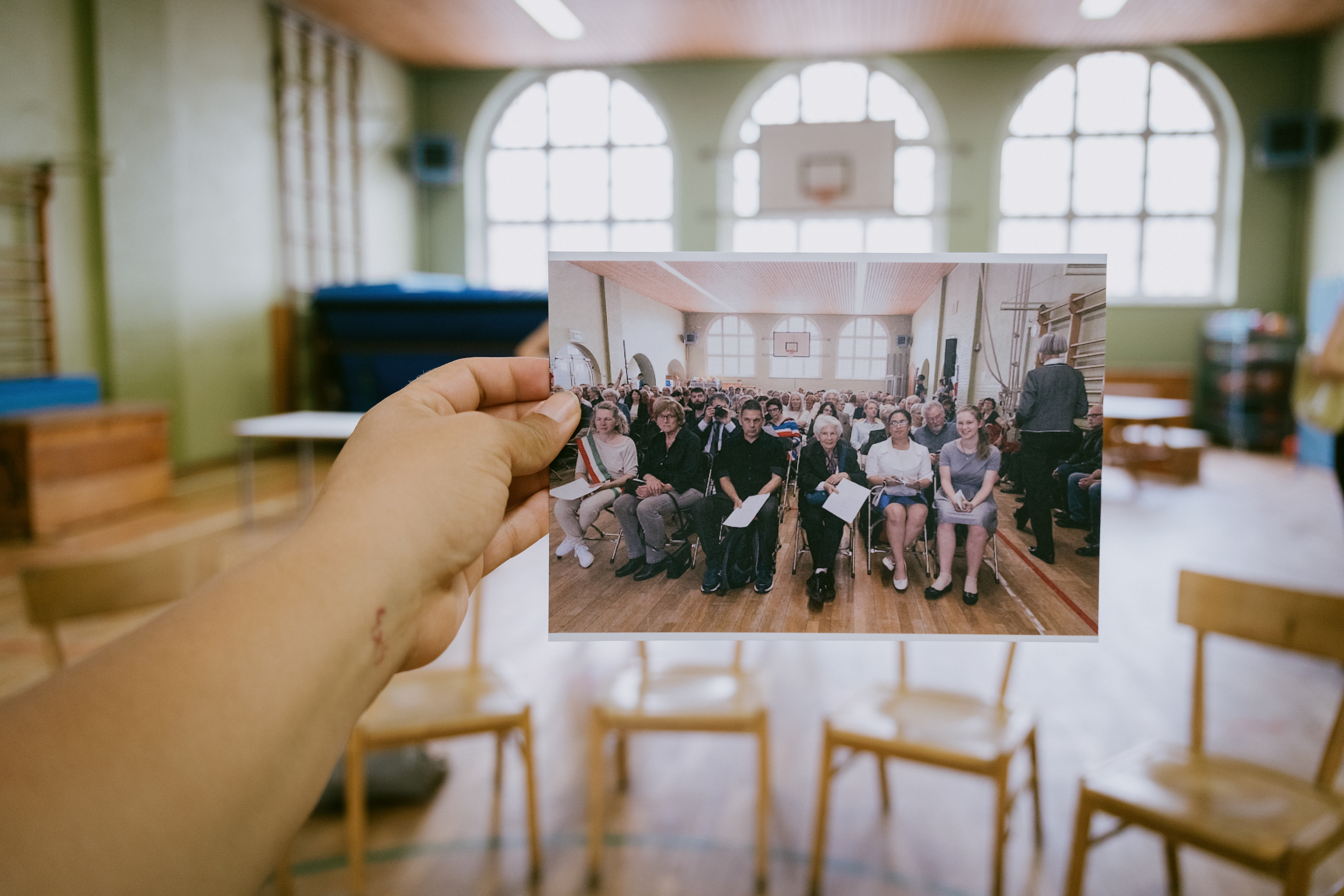
Turnhalle:
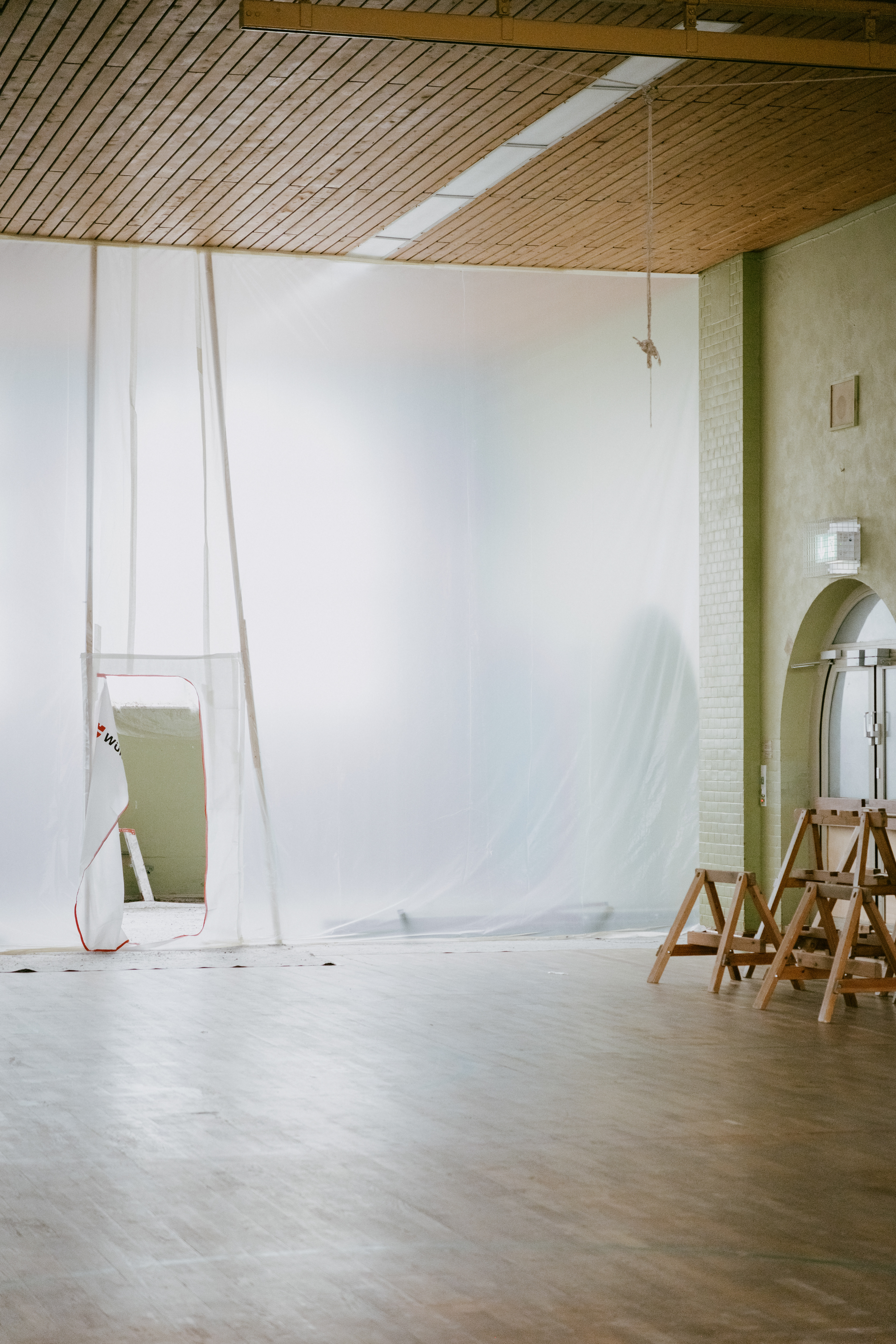
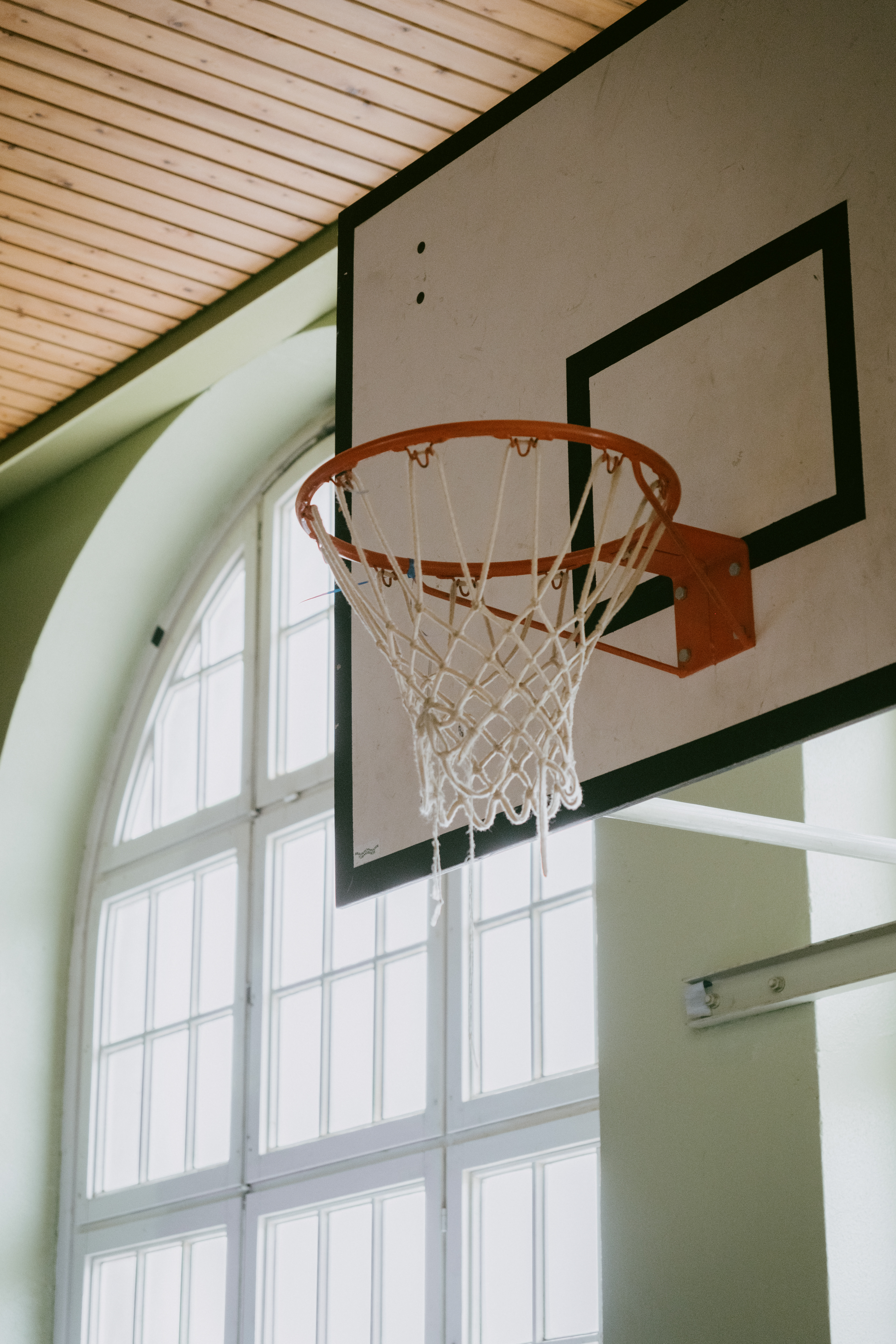
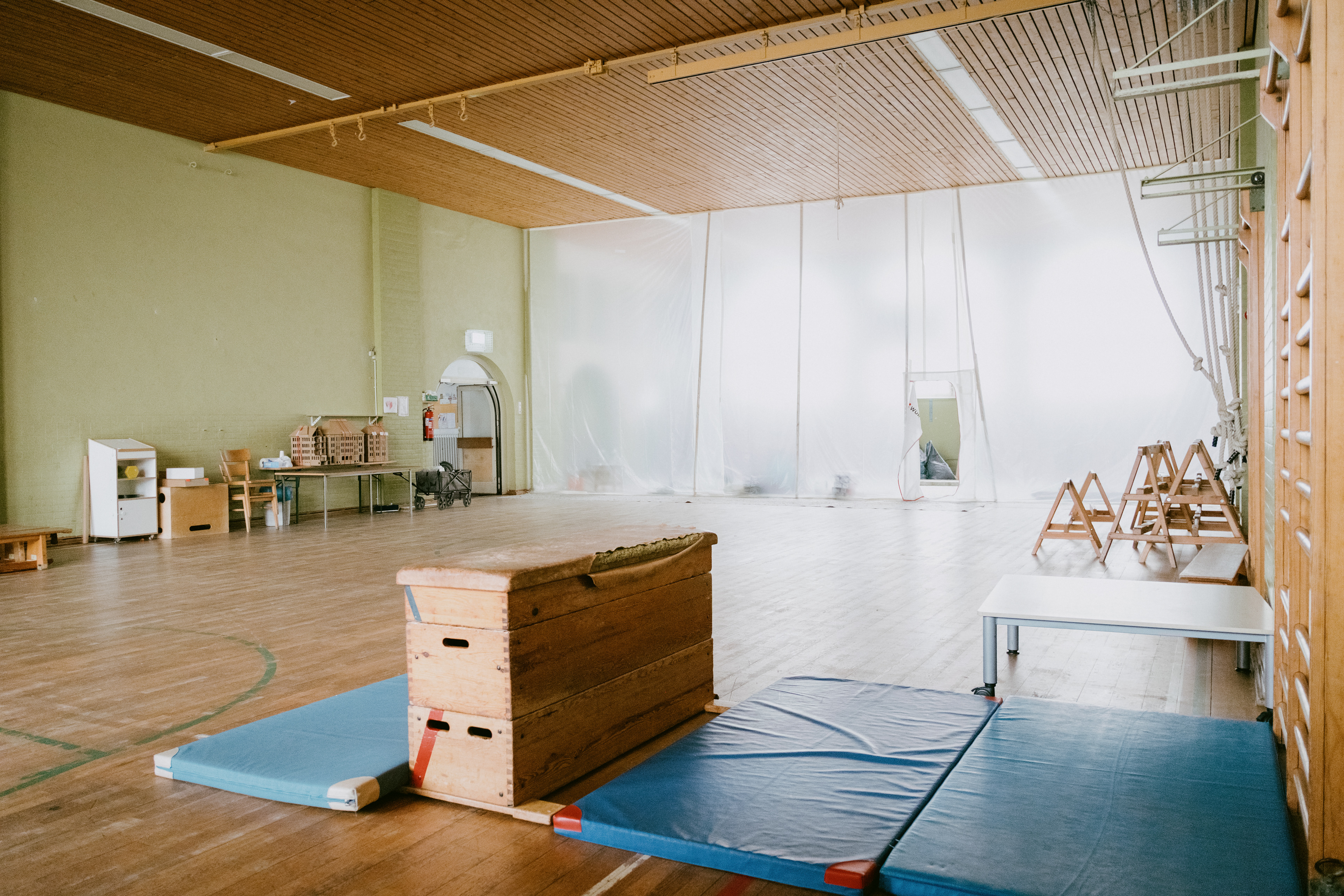
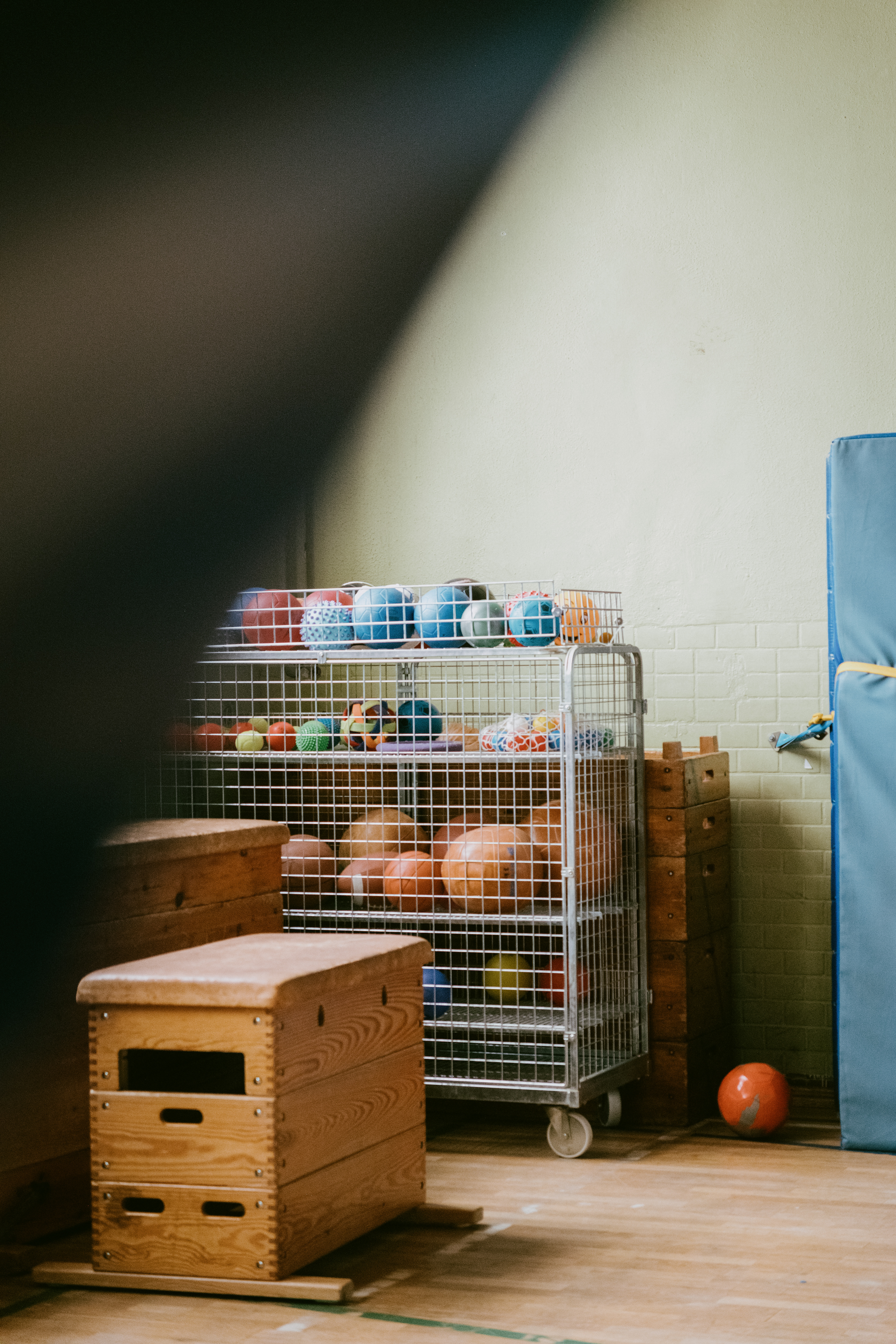
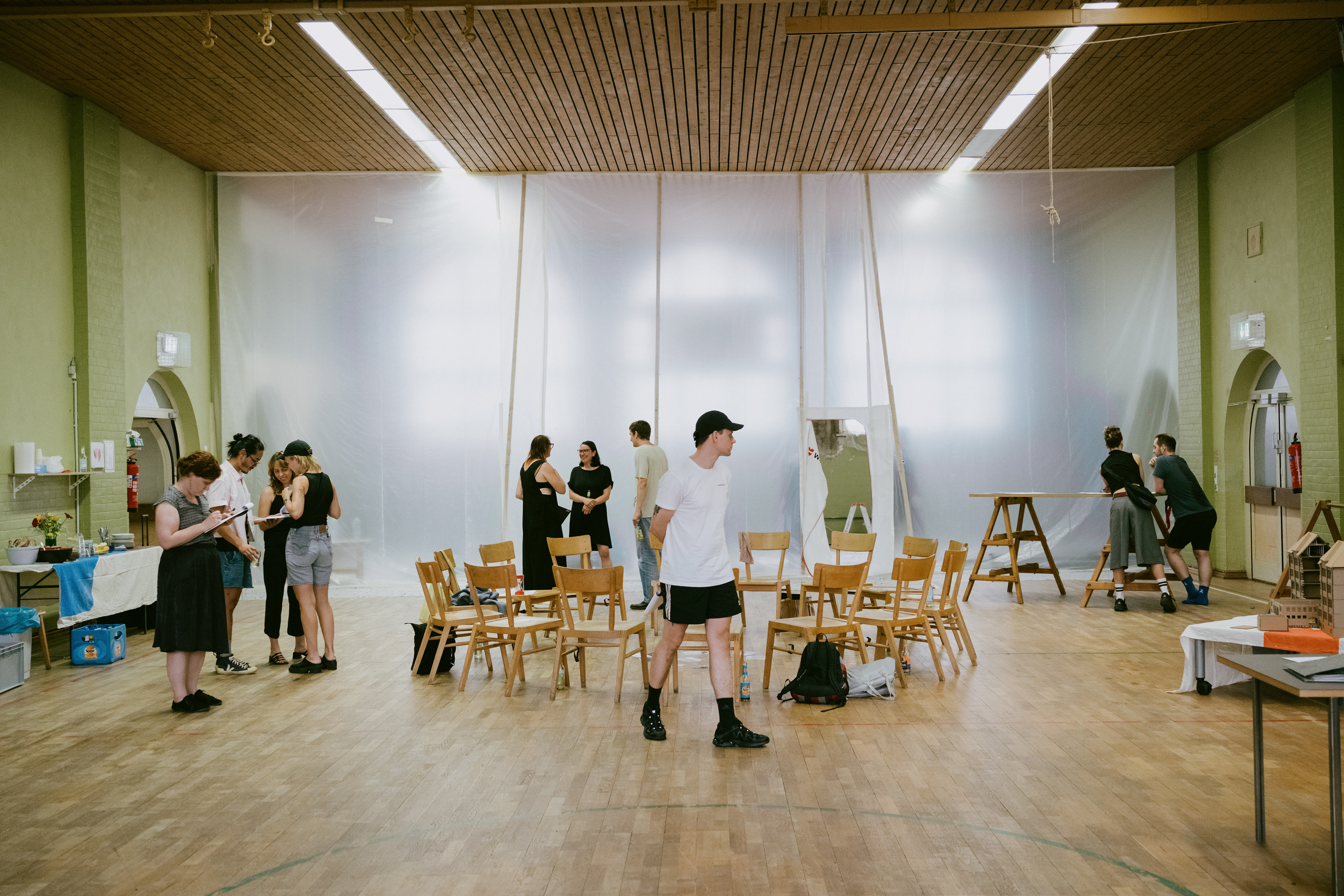
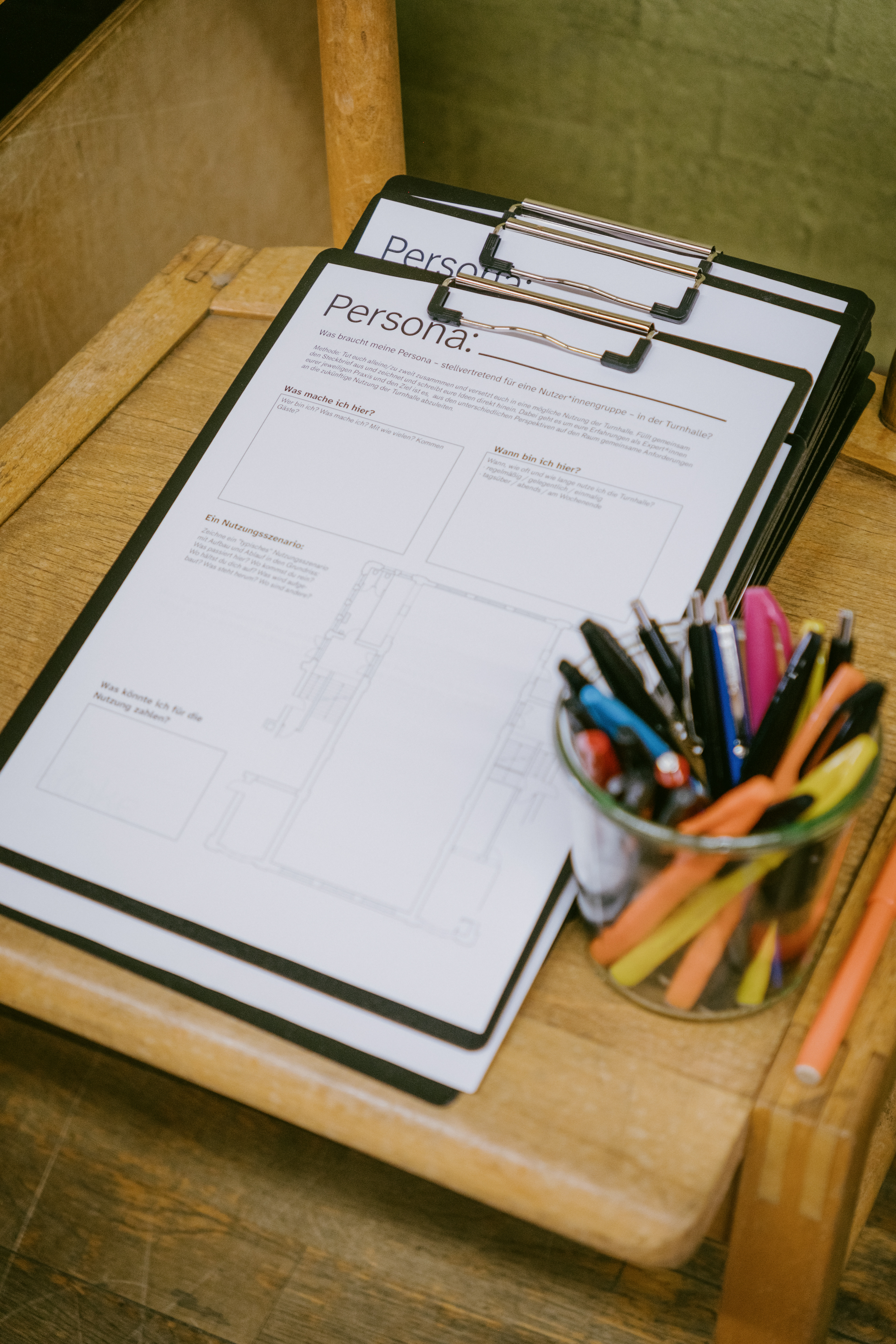
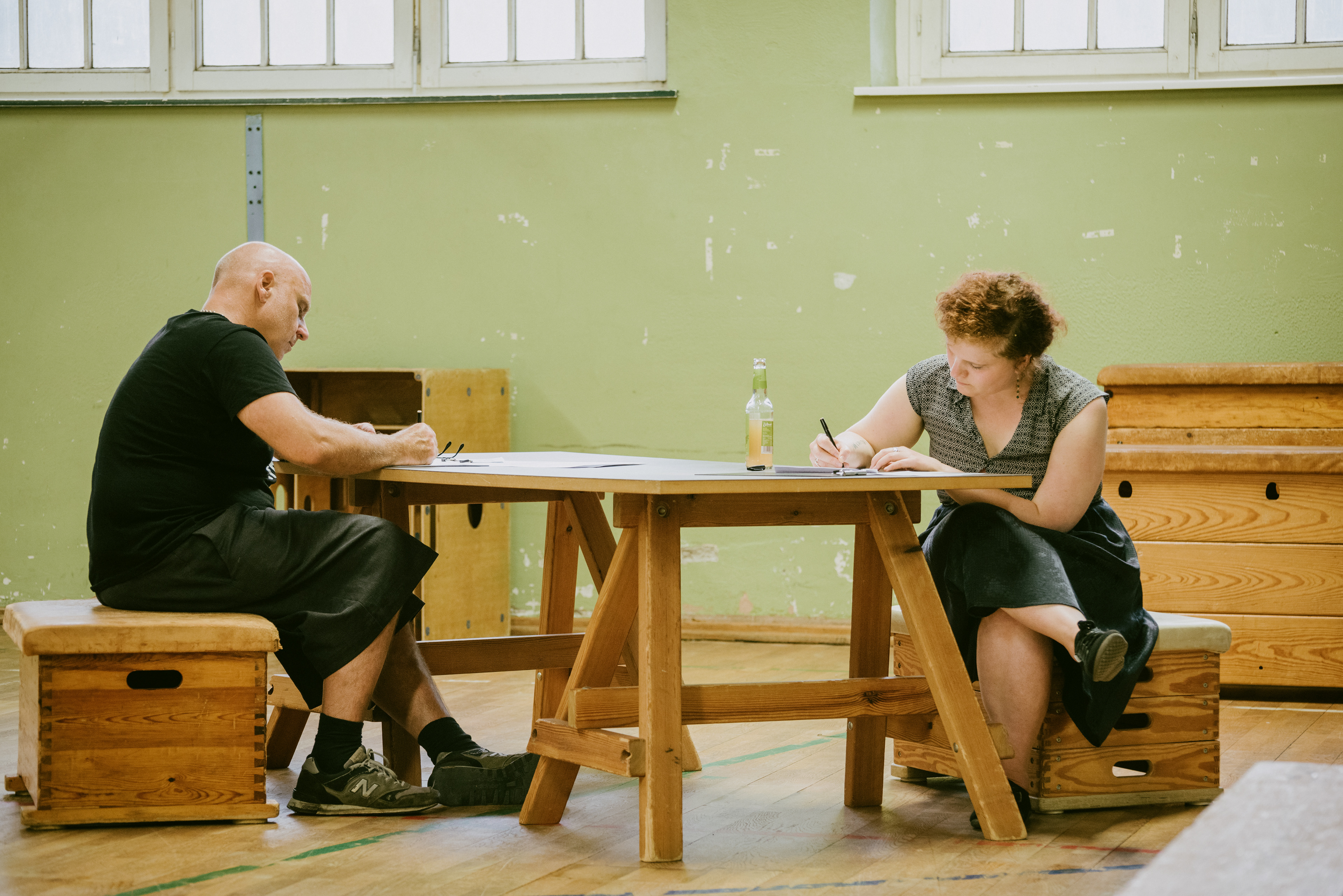
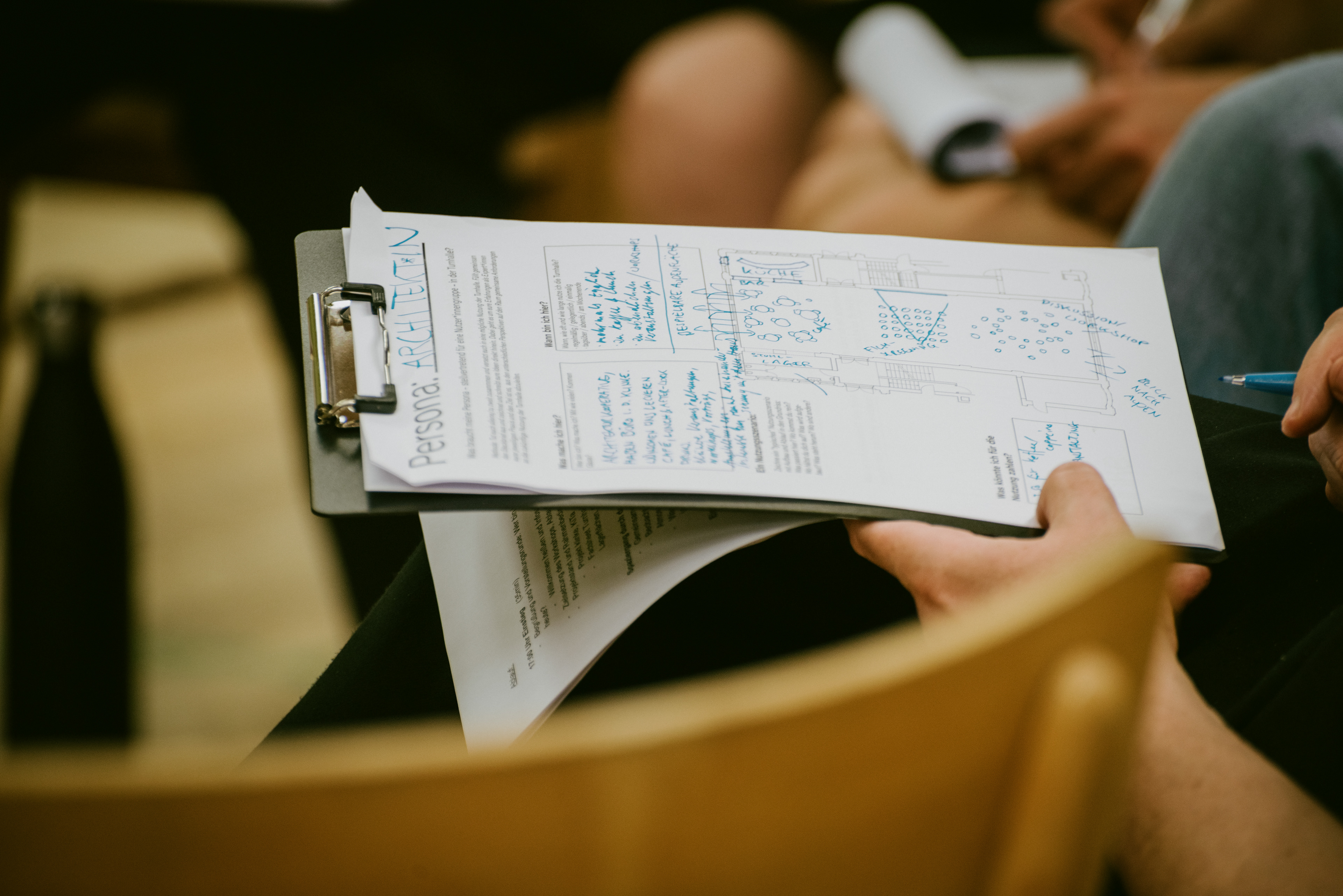
Living in Germany for almost five years has made me increasingly aware of places that carry an enormous historical weight. At the same time, I have been lucky to meet people who approach this history with care and responsibility, while actively working toward more collective ways of living together. Klinke is one of those places. It was inspiring to listen, observe and imagine what this building might become.
Thank you, klinke and Hallo: e.V., for inviting me to accompany part of this process.
My thoughts and deepest respect are with the children and adults who were murdered here, with their families, and with all those persecuted and killed by the Nazi regime. May their memory be preserved and may the past never be repeated.